Gas Plant Investment and BOO Partnership Model
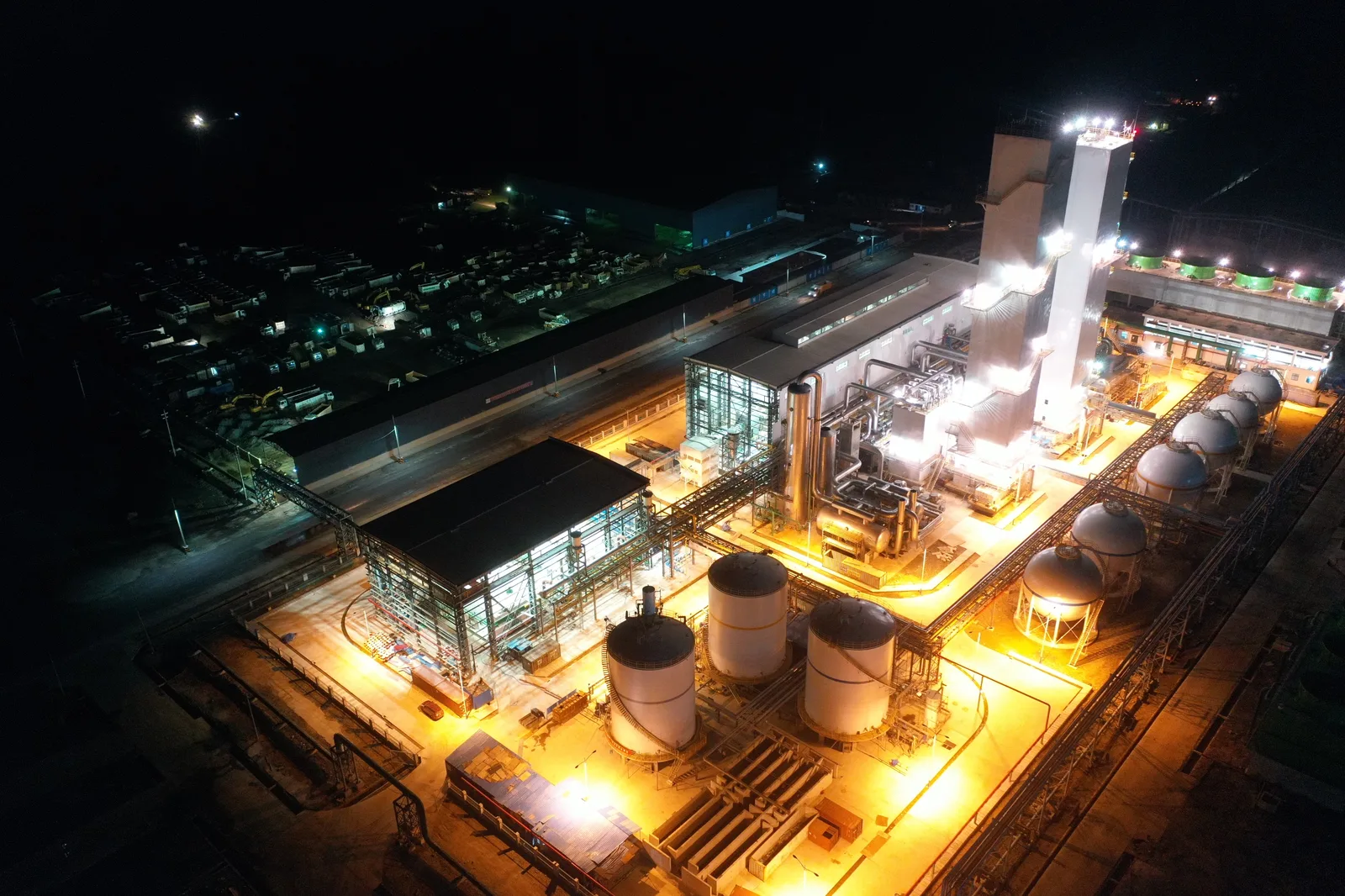
Some partners own the market and not the balance sheet. Our investment desk builds, co-finances and operates air separation plants with qualified partners - one-stop industrial gas supply, shared returns, our engineers on the consoles.
Product gallery
The Gap We Actually Fill
Here's the profile that finds this page: you know your regional gas market - steel mills within freight radius, hospitals that buy imported oxygen at a premium, a bottling plant that would take your entire argon output. What you don't have is 8-24 months of plant-building experience, or the capital to spend before the first liquid is poured. That gap between market knowledge and plant capability is precisely where a builder who believes his own machines should be useful. We put plants where partners can sell the gas, and stay in the business long enough to feel the plant's annual performance personally.
DINAK's own credentials in the merchant gas business are worth stating plainly: nearly 300 air separation projects delivered, more than half of project volume at the 1,000 TPD class, 20+ countries of service, and design-build authority to 80,000 Nm³/h. The same company that sells the plants also runs plants - including its own investment-linked trains.
The Structures, Named
- Build-then-own with staged payment. Our plant, your financing plan, tied to milestones and commissioning performance rather than shipping dates.
- BOO - Build, Own, Operate. We build and keep the plant on our books, sell you contracted gas at an agreed formula, and take operations risk. Your line item becomes a supply invoice.
- Equity partnership. Shared capital, shared offtake obligations, board-level visibility for both sides. This is the version we meet serious regional partners on.
Whichever structure carries the risk better on your side of the table, the plant behind it is a DINAK train, engineered to the same process standards we sell outright.
A Partnership Reads Like a Checklist
What makes a partner investable is never one number but a set: signed or lettered offtake demand covering base load; land with utilities and a permit path mapped; local entity or agent with registration capability; a power tariff you're willing to share openly, because plant economics are electricity arithmetic; and a maintenance team the plant can hire from. Bring those and the feasibility work goes fast - our simulation team runs the tonnage options against your demand forecast before anyone commits.
The Long Tail of a Gas Business Is Operations
Plants don't fail publicly; they fail quietly, one deferred maintenance window at a time - sieve degradation, evaporation creep, relief valves that never got resequenced. Operating partners get our service framework as contract language, not a PDF: 24-hour response with remote diagnostics on the same telemetry our engineers use from Kaifeng, spare-parts agreements with price guarantees, and training programs for your operators under the same curriculum as our own crews.
What the Conversation Costs
A feasibility call is free and the NDA can be yours or ours. What we ask for before a number: market, tonnes, tariff, site. What you get back: the structure we'd actually sign, the plant we'd actually build, and what we'd put at risk alongside you. Some calls end with a term sheet drafted from that. All of them end with the arithmetic done honestly, which in a business full of brochure economics is the rarest deliverable on the table.
FAQ
What's the smallest plant you'll co-invest in?
Practical floor for investment-linked structures sits around the 150-300 TPD merchant band - below that, financing structures cost more than they save and we say so. Small ASU partnerships happen too, but mostly as staged-payment build models.
Do you take gas offtake risk?
In BOO structures yes, contracted minimums with take-or-pay terms protect both sides' capital. In equity partnerships demand risk splits per the shareholders agreement. In straight purchase there is no offtake conversation - which is also a legitimate choice.
Who operates the plant day-to-day?
BOO: our operating crews under our SOPs, with your site access rights. Equity plants: typically a joint operations team, our commissioning engineers training your operators through the first year. Local hiring with expatriate supervision is the normal model.
Which countries do you invest in?
Our delivered plants span Russia, Turkey, Turkmenistan, Brazil, Indonesia, Vietnam, Thailand, Nigeria, Algeria, Iran, Iraq and a dozen-plus more; investment structures follow the same map where the demand and currency corridors are bankable. Current capacity for new partnerships varies with the engineering calendar - the desk answers with current appetite, not vague interest.
Why A Gas Company Would Let Us Own The Plant
Sensible owners ask this first, so the answer goes first. An industrial plant - steel, chemical, food, hospital campus - is in the business of making its product, not of running a cryogenic distillation column at 3 a.m. Gas supply is a utility: it must simply arrive at the right pressure, purity and flow, every hour, at a price that can be budgeted. The BOO model delivers the utility and hands the headaches - capital, plant staffing, maintenance discipline, spare-parts inventory, performance risk - to the party whose actual business is running air separation plants. Us.
The buyer profile that fits is sharp: you have measurable, year-round gas demand (a plant doing steady four-digit Nm³/h consumption; anything episodic and small buys cylinders or leases a PSA), you have capital you would rather spend on your own production line than on our steel, and your market's financing is expensive or scarce enough that a supplier-funded plant is a better balance-sheet shape. Owners in emerging industrial regions across our export footprint fit this profile the way keys fit locks.
The Contract Anatomy, Stated Plainly
Because this page is the start of a due-diligence conversation, here is the shape of the deal with nothing polished off:
- Demand study. Twelve months of your gas consumption and twelve months of your incidents - outages, purity complaints, delivery failures. Both sides sign the demand curve; it becomes the plant's design contract.
- Plant engineering. Technology selection (PSA/VPSA/cryogenic with liquid standby), capacity N+1 against the demand curve plus your reliability appetite, siting on your land.
- Build and commission. Our schedule, our supervision, our performance tests - against the same curves that later define the service level.
- Operate. Our operators or our trained yours; availability, purity and delivery-pressure guarantees with service credits that mean something, backed by the remote diagnostics link from Kaifeng.
- Meter and bill. Custody transfer at defined flange pairs, metered volumes, contracted tariff with an agreed escalation formula (electricity and FX being the usual honest terms).
- Exit. Pure BOO runs long and ends; BOOT transfers the operating plant to you at term end for a pre-agreed figure - the training of your staff during the contract term is what makes that option real rather than theoretical.
Take-or-pay floor volumes appear on our side of the table because they protect the plant's financing; we set them honestly against the demand curve rather than aspirationally.
What We Have Actually Done With This Model
The investment arm grew out of the equipment business - which is the right pedigree, because a BOO company that cannot build the plant is a financier praying at someone else's machinery. Across nearly 300 delivered ASU sets and 2,000+ project cases in 20+ countries, the pattern repeats: the site that could not fund the plant funded it through the offtake contract instead, and grew its own production budget rather than its depreciation schedule.
Our share of the risk is real and deliberate: we own the equipment, so every engineering shortcut we might be tempted to take is our own capital exposed to your furnace's reality for the next fifteen years. That alignment is the entire product. We take it seriously enough to decline deals where the demand is too small, too volatile or too far from our service reach to run well - and we would rather tell you that in the first meeting than discover it in year two.
If the shape above matches your situation, send the twelve-month demand file and the site location. The response is a term-sheet sketch with the plant concept, tariff structure and the service levels we would bet our own asset on.
Related Equipment
Get a Quote From the Factory
Tell us your flow, purity and pressure - an engineer replies within 24 hours.
Send Your Requirement
Flow, purity, pressure and application - four numbers are enough to start.