Welded Insulated Cylinders
The pickup-truck-sized thermos that turned micro-bulk into an industry
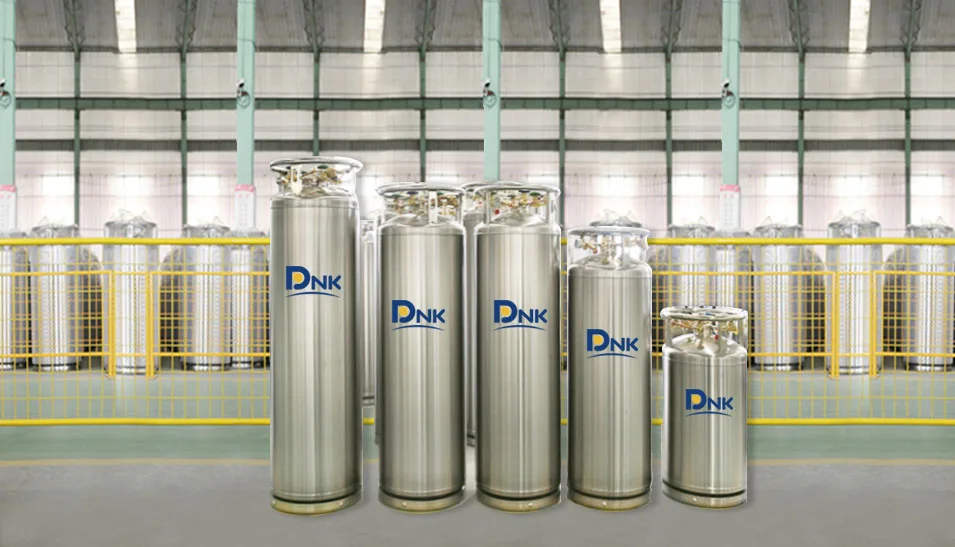
Learn more →The aviation-aluminum flask that keeps vaccines, semen straws, cell lines and rootstock at -190 °C for weeks without power. YDS series low-pressure dewars, from benchtop 10-liter units to 150-liter laboratory workhorses.
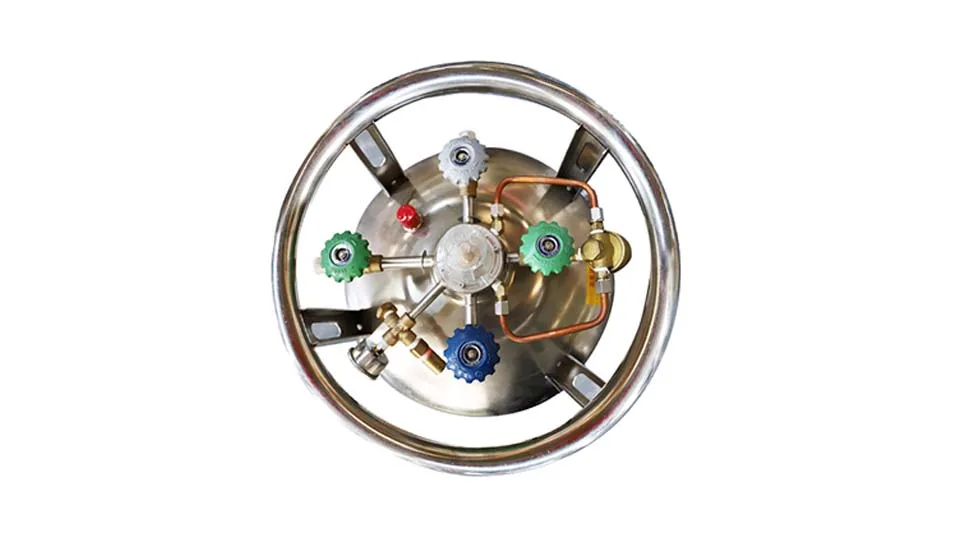
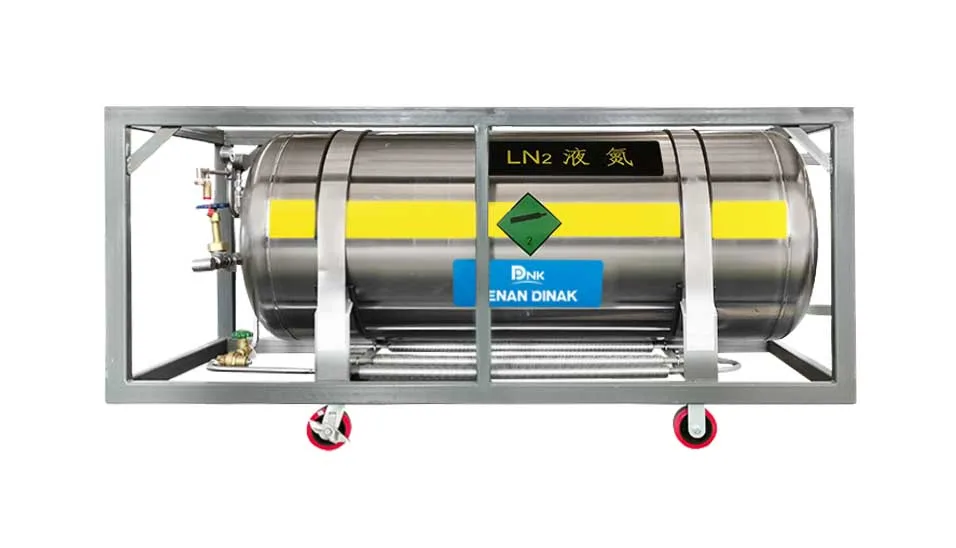
Liquid nitrogen sits at -196 °C. Keep it there and almost any biological sample becomes patient: semen straws, embryos, stem cells, microbial cultures, tissue blocks, vaccines, even a dog's spare stem cells. The trick isn't generating the cold - that's a fill station's problem - it's refusing heat entry for weeks. The YDS answer: an aluminum inner vessel in a vacuum-jacketed shell, multilayer reflective insulation, and a neck geometry that starves conduction and radiation at once. No compressor, no electricity, no noise. Static holding measured in weeks, per model.
Aluminum inner and outer shells (aviation-grade alloy, spun and welded in-house). Vacuum annulus with getter-maintained vacuum. Austenitic steel neck bridging the temperature difference with deliberately narrow conduction. Locking lid with padded gasket, canister rack and label holders per tier, level gauge or weighted tape on request. Gas-phase or liquid-phase storage canisters stack inside; the neck posts sort straws from 5 ml vials from frozen bags.
Benchtop units (10–30 L) for a single lab's weekly top-up. Mid-range (35–80 L) for IVF and cell banks. 100–150 L floor models for animal-breeding stations running weekly semen straw fills. The rule of thumb your fleet follows: worst-case static holding days × your refill interval, plus one spare unit per room. We'll size a bank against your inventory photo-count if you send the list.
Liquid nitrogen is cold enough to make carbon steel shatter, displaces oxygen faster than any alarm reacts to, and boils 700 volumes of gas per volume of liquid in a room that wasn't ventilated. Two rules that prevent the incidents: never seal liquid nitrogen in a closed container (pressure relief exists on every dewar - never bypass it), and keep occupied rooms ventilated whenever you fill. Oxygen monitors in low-lying storage rooms are cheap insurance.
YDS units ship with canisters and racks to spec, carton-crated for air or sea, with holding-time test records per serial. Custom neck diameters, straw-only or vial-only rack sets, and transport lockouts are standard factory options rather than special projects - that flexibility comes from making the shells ourselves rather than trading them.
Each size has a rated static holding time - commonly from around two weeks for benchtop units to a month-plus on the large floor models, measured at ambient with the lid closed. Ours ship with the measured record, not a generic catalog number, because lid-openings in real labs always shorten the catalog.
No. YDS is liquid-nitrogen-only service: no oxygen-clean process, no LOX-rated materials. Cryogenic oxygen needs the welded insulated cylinders on our other page, built oxygen-clean with the right relief architecture.
Liquid-phase canisters let samples sit submerged in the liquid. Gas-phase canisters keep samples in the -150 °C-ish vapor above the liquid - less cross-contamination risk, some argue slower warming on transfer. The dewars accept both; we supply whichever rack your protocol runs.
Filled units are UN 1977 cryogenic liquid shipments with venting provisions; empty-cleaned units generally move as unregulated when documented dry. Either way, our export desk provides the paperwork set your forwarder has seen before.
An open-mouth liquid nitrogen dewar looks almost medieval next to a pressure tank - a wide neck, a rack poking out the top, liquid nitrogen visible as frost on the inside wall. That simplicity is deliberate. Biological samples, semen straws, cryogenic vials, small workpieces and lab equipment need to be dipped into or lifted out of the liquid phase by hand, in seconds, without valves, hoses or a permit-to-work. No sealed pressure vessel can do that.
Our YDS series is built for exactly that service: aviation-grade aluminum inner vessel, high-vacuum multilayer insulation, and an open neck that stays thermally sane because the neck itself is an engineered cold trap rather than an afterthought. The practical promise is boring in the best way: fill it once and the level stays where the datasheet says it should be for weeks, depending on size.
Who actually buys them, in the order our order book shows:
Dewars are sold cheaply all over the internet; here is the buying checklist our own engineers use when they audit a quote:
Three habits appear on every handover sheet we sign and in every incident report we have read the other side of:
YDS dewars ship with the fitting set your service needs - fill neck protection, level instrumentation from tape-stick to digital probe, protective cases for field work. Sizes from the benchtop units to the full-height farm park; mix-and-match quantities are normal, and replacement vacuum-jacketed parts are stocked because dewars die from the neck, not the wall.
YDS dewars are configured from five choices, and each one is free to change at quotation and expensive to change after delivery:
Multi-unit orders are the normal shape: farms run a working dewar plus a reserve library; labs run sample, reagent and quarantine units. Replacement vacuum jackets, neck tubes and gaskets are stocked items because a dewar is a decade-long asset whose wearing parts should never be a special order.
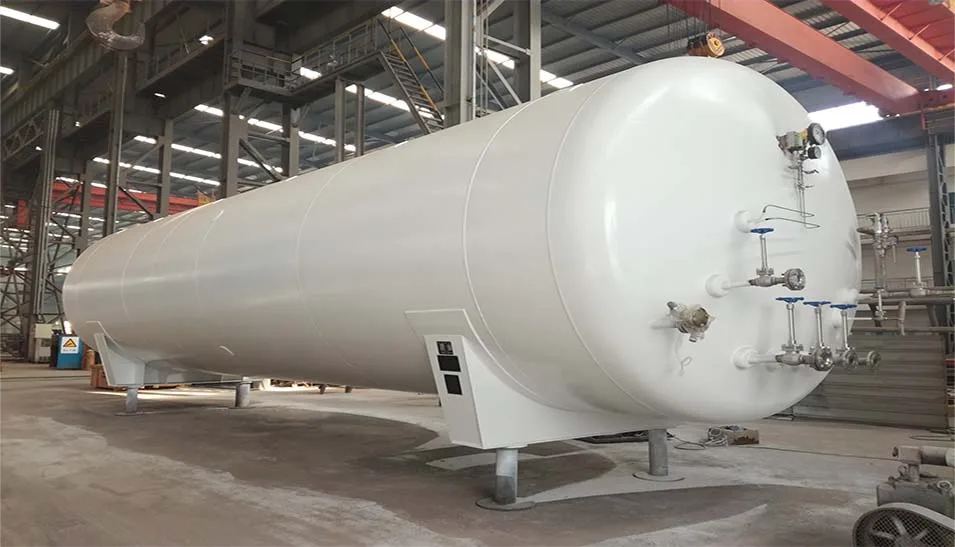
The pickup-truck-sized thermos that turned micro-bulk into an industry
Learn more →A thermos the size of a house, holding liquid air at -196 °C and losing a fraction of a percent a day
Learn more →Tell us your flow, purity and pressure - an engineer replies within 24 hours.
Flow, purity, pressure and application - four numbers are enough to start.