Gaseous ASU
The two processes that decide whether a gaseous ASU is cheap to build or cheap to run
Learn more →Trains for steel mills, refineries and gas majors - custom-designed against your working conditions and energy targets, skid-mounted for fast install, and backed by 18 delivered 30,000-class and 3 fifty-thousand-class units.
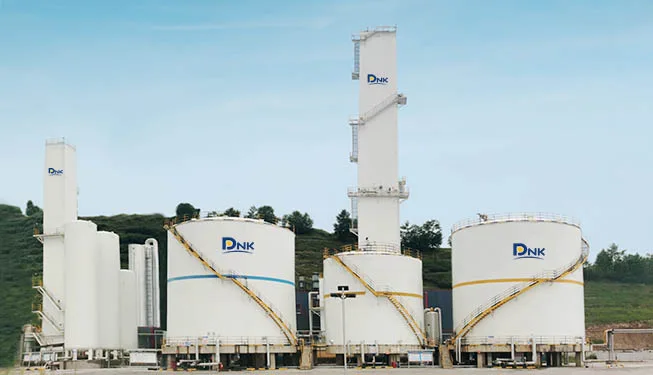
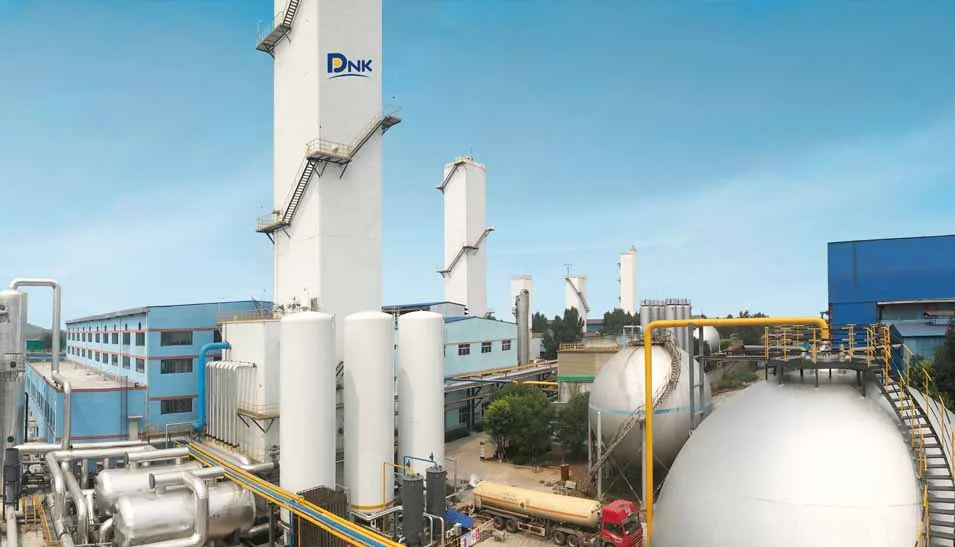
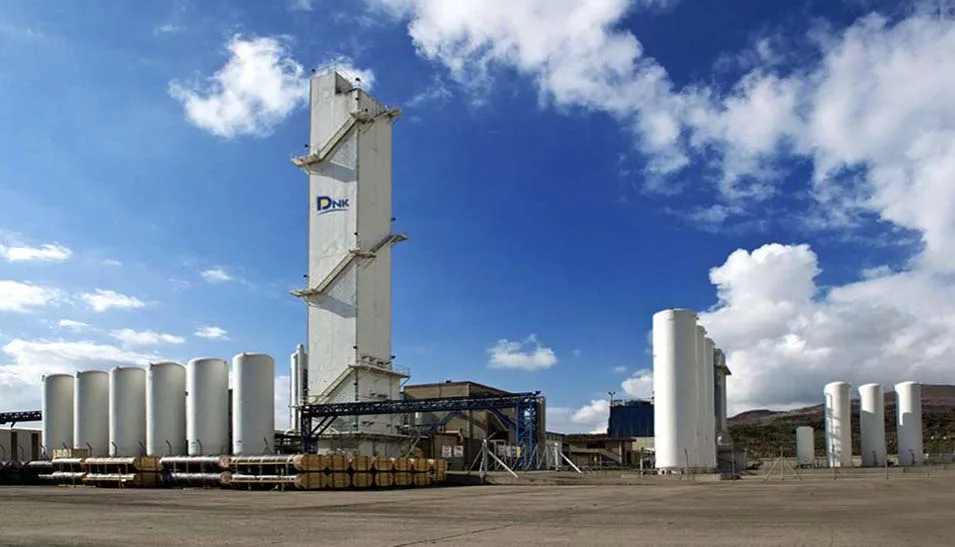
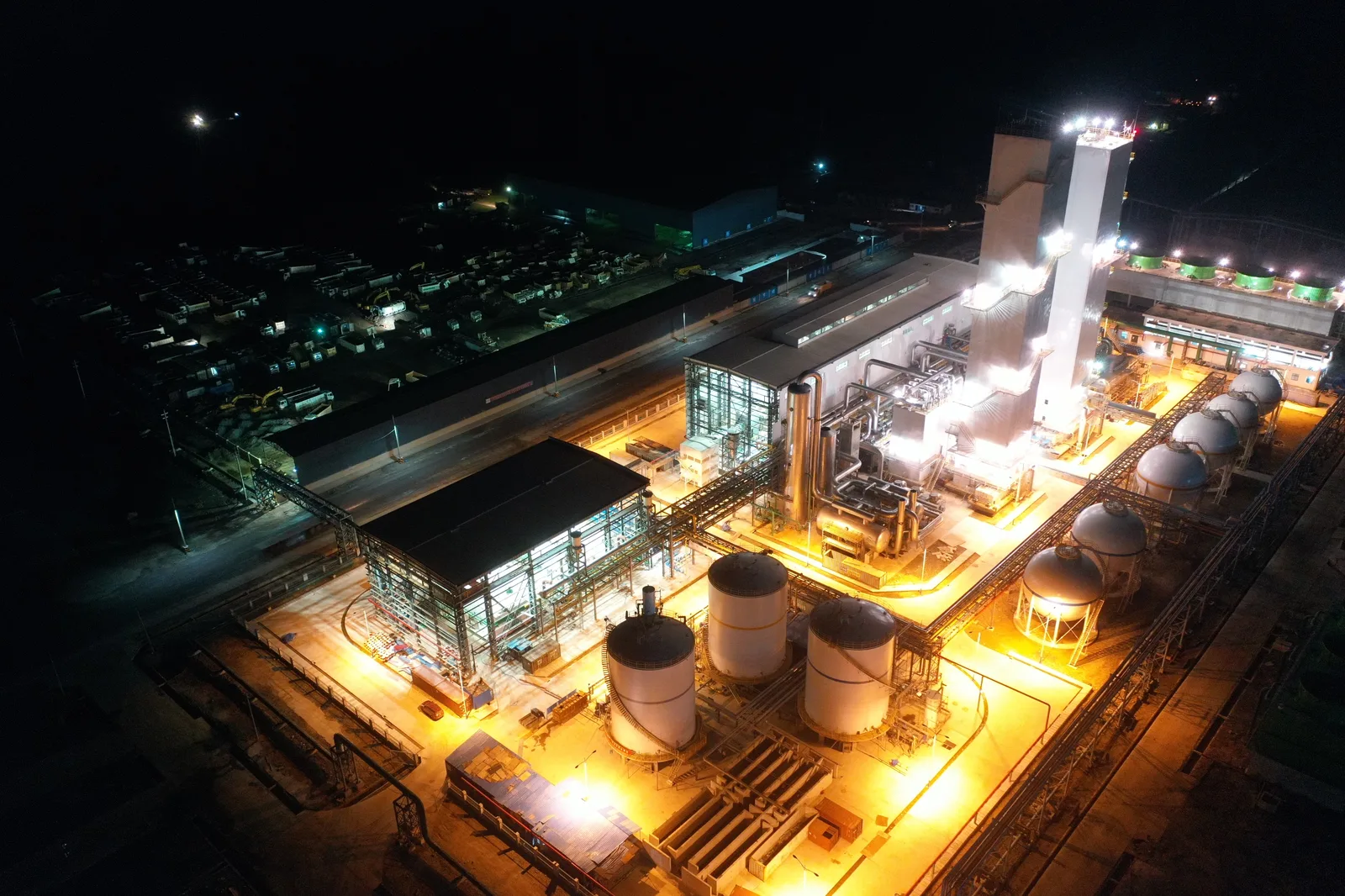
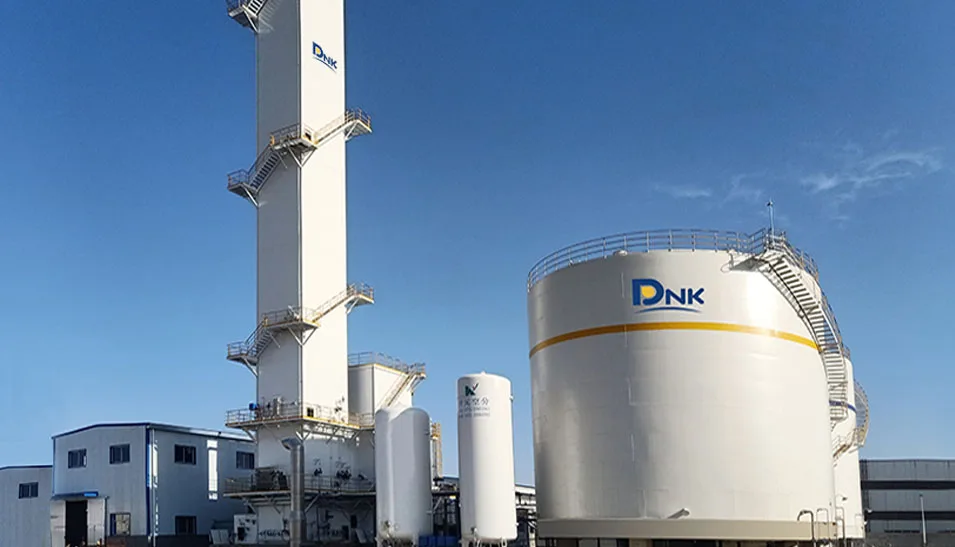
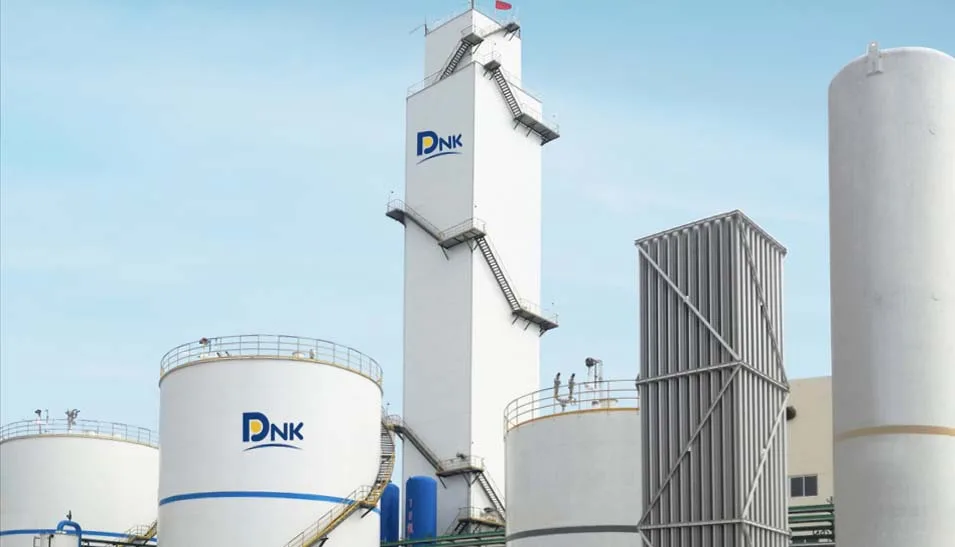
Once oxygen demand crosses a few thousand tons a day, buying gas becomes renting your competitiveness. A world-scale steel line, a coal-to-chemicals complex, a refinery hydrogen plant doing oxygen-blanketed gasification: these operations convert capital and electricity into gas at a cost that beats any supply contract, and they get to keep the turndown freedom and the pure argon by the way out. The machine that makes that happen is a large-scale air separation unit - a skyscraper-class assembly of exchangers, towers and turbomachinery, and the single largest piece of equipment most owners ever commission.
Large ASUs are built from requirements, not stock numbers. The intake list that makes our engineers useful:
From that, the process team simulates: normal-temperature molecular sieve pre-purification, high and low-pressure turboexpansion refrigeration, full-rectification argon extraction with hydrogen-free deoxo where argon is in scope, product compression routed the cheapest way through the exchanger network. The output is a heat-and-material balance you can audit line by line - and a guaranteed specific power number in the proposal, which is the sentence that separates serious bidders.
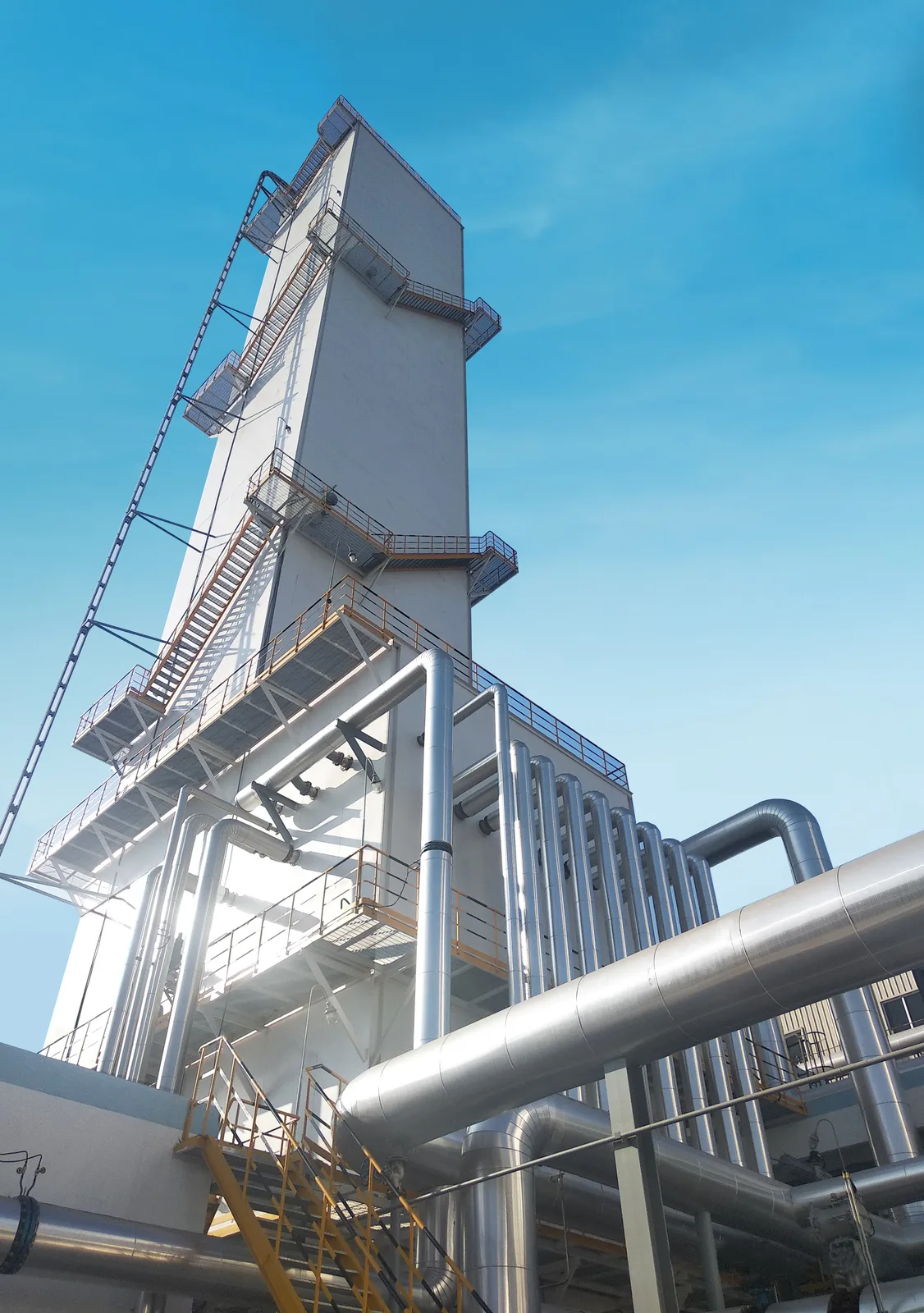
The main body arrives as skid-mounted blocks - towers, exchangers, piping and instrumentation pre-assembled and pre-tested in our shop, X-ray-reviewed welds under A1/A2 pressure-vessel licenses included. On site that converts months of weather-exposed field welding into weeks of block-setting, bolting and connection. Installation windows shrink, weld quality improves, and the plant starts up with fewer commissioning surprises because most of the system was assembled where the cranes, lasers and inspectors were free.
DCS sequences cover startup from warm to full production on schedule, load-following across the turndown band, product changeover, and safe shutdown. Online analyzers on all three products feed the logic - and feed the remote monitoring service that lets our engineers see the plant's behavior from Kaifeng before your night shift sees it from the control room. Unattended-mode operation is a design feature here, not a marketing claim: 20 years of these units running is how you learn every way one stops.
Nearly 300 air separation projects delivered, 1,000 TPD-class-plus projects more than half the book, 18 trains at the 30,000 class, 3 at 50,000, design and build authority up to 80,000 Nm³/h (10,000 TPD). Steel sites from Shandong to Southeast Asia, merchant and chemical duties from Turkey to Turkmenistan. When a bidder says "custom large ASU," the only honest proof is the commissioned ones; we list ours on the projects page with the flow diagrams.
Against European licensors our trains come in at a fraction of the capital number for comparable tonnage and purity. What you should demand before believing that: the specific power guarantee in kW per Nm³/h (not "typical"), the exchanger vendor and design software, the weld radiography standards, the spares package and the service response clock. We'll meet all five in writing - it's the boring way to sell a large plant, and the only way that survives year three.
The gaseous and full-liquid lines overlap below the 3,000 class, so the honest answer is: anything the customer's economics justify, but the large-scale product line proper starts where custom process design beats our standard families - roughly the 2,000-3,000 TPD band.
Plan multi-year: engineering and long-lead turbomachinery in year one, cold-block fabrication in parallel, site erection and cool-down starting the following year. Your contract carries the critical-path calendar, not this paragraph.
Yes - process license, equipment, compression house, erection supervision, commissioning, operator training, and long-term service agreements from the same team. Or we deliver certified equipment packages against your local EPC. Both models shipped from these workshops.
Pre-cooling gets sized to the wet-bulb, not a datasheet. Gulf-coast and desert sites get additional refrigeration margin in the cycle simulation and air-cooled or water-cooled choices priced openly, because at 48 °C the water question becomes the plant's efficiency question.
For qualified projects we do participate beyond equipment - the gas-investment model (see dedicated page) covers investment participation, one-stop build and long-term supply cooperation. Bring the feasibility study and we'll respond on structure, not just price.
Anyone can print "up to 80,000 Nm³/h" on a datasheet. Here is what our own delivery record actually says, because that is the number your due-diligence team should call us about:
Reference names, duty sheets and commissioning years go on request under NDA where owners require it. This is the part of the conversation where a real large-ASU builder earns the inquiry.
A modern large ASU is three plants lashed together, and our engineering scope covers all three:
Automation ships DCS-grade: remote start provisions, purity-quality interlocks that protect your downstream users, and the diagnostics link our engineers use to see the plant's vital signs from Kaifeng.
Large-plant projects go wrong in the gaps between disciplines - civil to mechanical, mechanical to controls, commissioning to performance test. The contract structure that keeps it boring looks like this:
Send your product slate and site file and the engineering study comes back with flow selection, plot plan sketch, energy estimate and a capital envelope. It costs you nothing and it is frequently the document that disciplines the other three quotes on your desk.
The two processes that decide whether a gaseous ASU is cheap to build or cheap to run
Learn more →Tell us your flow, purity and pressure - an engineer replies within 24 hours.
Flow, purity, pressure and application - four numbers are enough to start.