VPSA Oxygen Plant for Large-Scale Oxygen Production
When your oxygen demand passes the point where PSA skids stop making sense, vacuum does the regenerating. Our VPSA plants run 160 to 5,000 Nm³/h - from a single paper machine line up to smelter-scale supply.
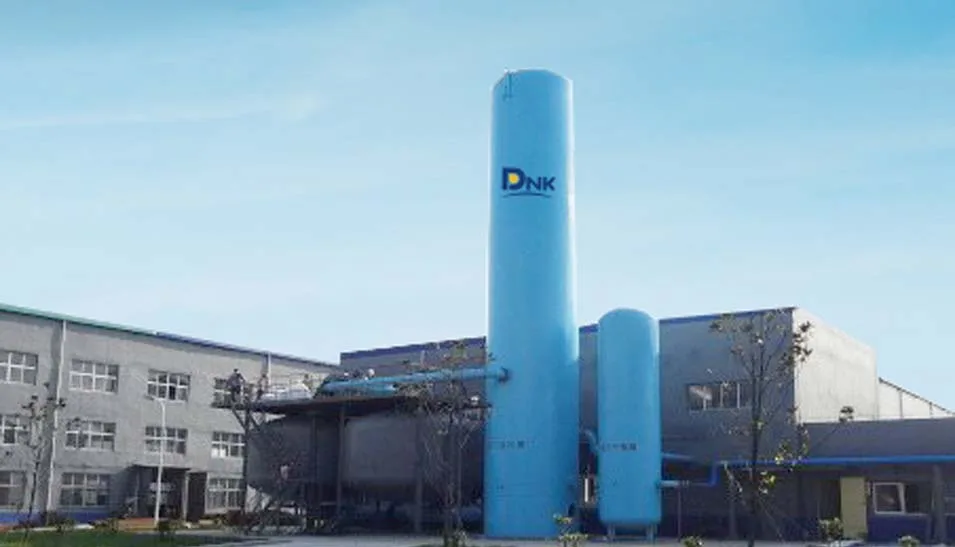
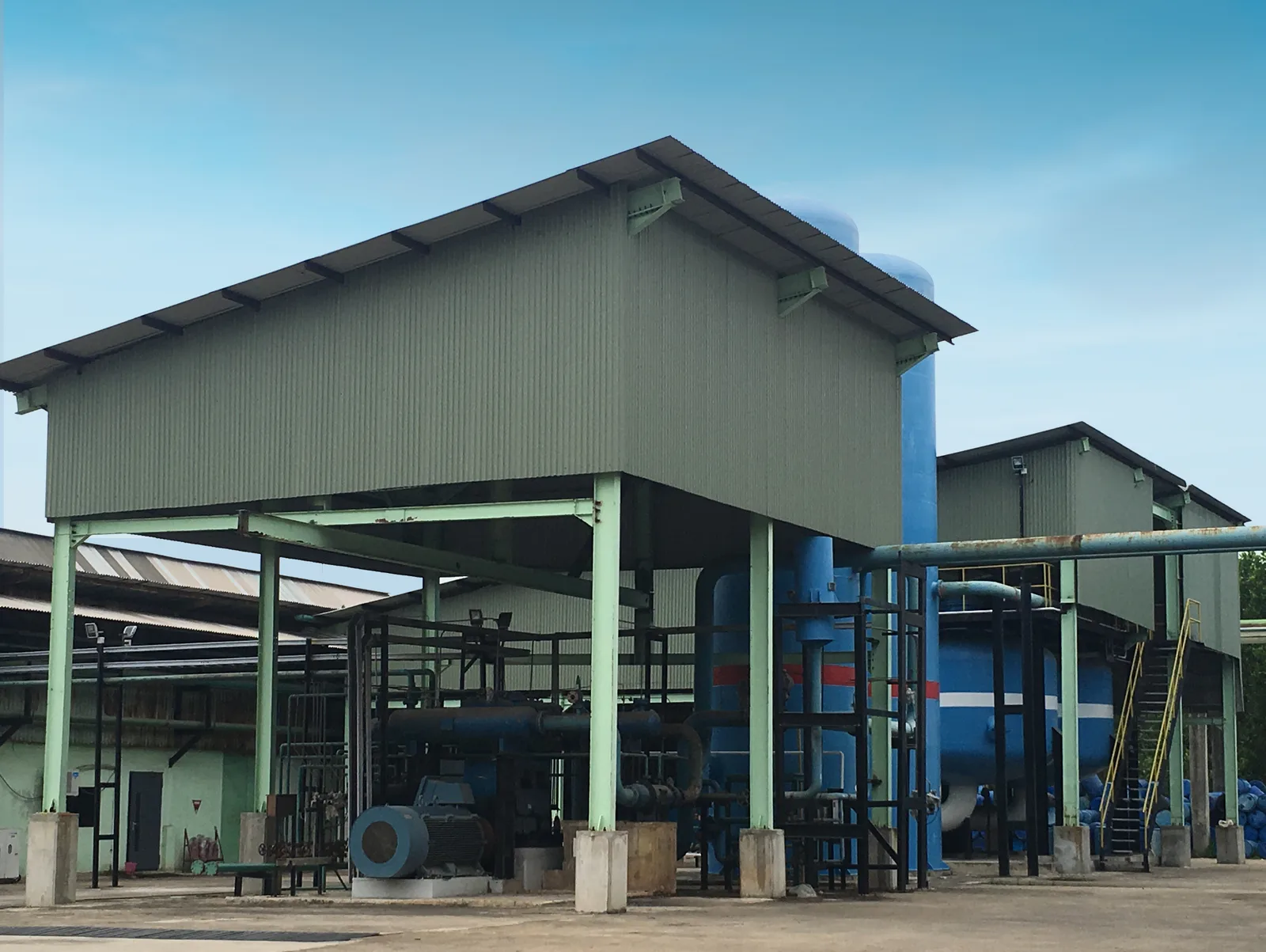
Product gallery
Why Vacuum Changes the Economics
PSA regenerates its sieve with pressure - blow the tower down to atmosphere and let go. VPSA goes further: a vacuum pump pulls the adsorption bed down toward negative pressure, yanking far more nitrogen off the sieve for the same compression energy. More product per cycle, fewer cycles, less wasted feed air. At tens or hundreds of tons per day that difference is your monthly power bill.
The working loop: blower-pressurized air enters the adsorbent bed; nitrogen gets adsorbed, oxygen enriches the gas phase and goes to product; when the bed saturates, the vacuum pump evacuates it, nitrogen vents, sieve regenerates. Two or more beds hand off to each other under PLC sequencing so your oxygen main never sees a pulse.
Reference Projects, Not Wishful Numbers
| Unit | Year | Application | Yield | Purity | Pressure |
|---|---|---|---|---|---|
| VPSA-2000 / TPD-67 | 2008 | Smelting | 2,000 Nm³/h (67 TPD) | 75–93% | 0.01 MPa inlet, booster to 3 MPa |
| VPSA-700 / TPD-24 | 2012 | Pulp bleaching | 700 Nm³/h (24 TPD) | 75–93% | Custom |
| VPSA-1800 / TPD-60 | 2013 | Smelting | 1,800 Nm³/h (60 TPD) | 75–93% | Custom |
| VPSA-300 / TPD-10 | 2013 | Glass furnace | 300 Nm³/h (10 TPD) | 75–93% | Custom |
| VPSA-160 / TPD-5 | 2014 | Sewage treatment | 160 Nm³/h (5 TPD) | 75–93% | Custom |
| VPSA-5000 / TPD-170 | 2017 | Smelting | 5,000 Nm³/h (170 TPD) | 75–93% | Custom |
The Building Blocks
- Radial blowers and vacuum pumps - the energy story of any VPSA. We size for your altitude and temperature, not brochure sea level.
- Adsorber beds - large-diameter vessels we roll and weld in-house under our A1 vessel license, not bought in.
- Valve manifolds - big-bore specialized valves cycling on a schedule measured in minutes.
- Purification and drying ahead of the beds, and DCS control with online analysis behind them.
- Booster compression up to 3 MPa when the furnace or converter wants pressure, not flow.
Where VPSA Wins Against Cryogenic ASU
Honest engineering: if you need 99.6% oxygen or liquid products, a cryogenic air separation unit is the right tool and we build those too (see our gaseous and full-liquid ASU pages). VPSA wins when you want 75–93% oxygen - which covers oxy-fuel combustion, bleaching, and wastewater - at lower capital cost, shorter construction, and simpler operation. Many of our plant owners run VPSA for combustion duty and a small cryogenic unit for high-purity needs. We spec both, price both, let the economics decide.
Engineering Scope: What We Actually Deliver
Process package with heat & material balance, equipment list and plot plan; vessel fabrication from our own shop under A1/A2 pressure-vessel licenses; electrical, instrumentation and DCS; commissioning supervision with operator training; 24-hour response service and remote diagnostics after handover. The same team has delivered nearly 300 air separation projects, including 18 units at the 30,000 class.
FAQ
What purity will my smelter actually see?
VPSA economics favor 75–90% for combustion duty, with up to ~93% when you pay the energy penalty. Tell us the furnace, the tonnage and what a purity point is worth per day in fuel savings - the optimization is real, and it usually lands lower than the spec sheet the furnace vendor asked for.
How much land does a 2,000 Nm³/h plant need?
As a rough planning number, think of a building footprint on the order of 20 m × 30 m plus a buffer-tank and transformer pad, with room for future beds. Your layout depends on altitude, product pressure and storage choice; the proposal drawing fixes it.
What maintenance does the vacuum system demand?
Water-seal pumps need water management; oil-seal pumps need oil service; dry pumps need filter and bearing attention on schedule. Our maintenance agreement covers the pumps and the big-bore valves as line items with spares kits held at factory stock.
Can I expand capacity later?
Yes - VPSA scales by beds. Blower house, header piping and control system get sized with the expansion in mind at design time so phase two is a construction project, not a rebuild. Several of our smelter clients went from one bed bank to three this way.
Where VPSA Beats Cryogenics And Where It Loses
Let us be blunt about the economics, because the wrong technology choice at this capacity range costs real money in either direction.
Below roughly 3,000 Nm³/h of oxygen at 90% purity or less, VPSA wins on capital cost and wins on start-up time - the plant is on-gas within the hour from cold. A cryogenic ASU of the same output costs several times more to build, takes months longer to deliver, but returns product at 99.5% and makes liquid as a byproduct. So the honest rule reads: process oxygen under 93% at 160-5,000 Nm³/h, buy VPSA; high purity or liquid products on the same site, build cryogenic. We build both and we will quote whichever matches your contract.
Within VPSA itself, the technology beats straight PSA on the same output because desorption runs under vacuum instead of relying on pressure ratio alone. The blowers move large volumes at low pressure, so the specific energy per cubic metre of product falls as the machine scales. That is why the economically sane band for VPSA starts where PSA boxes get silly - somewhere past 150-200 Nm³/h.
Reference Duty Types From Our Delivery List
Our VPSA performance sheet runs from 2008 through 2017 and covers four recurring duty patterns:
- Non-ferrous smelting and melt enrichment. Copper and nickel flash processes take 75-90% oxygen into oxygen-enriched smelting; throughput tracks oxygen availability almost linearly, so redundancy in adsorber count is designed in - N+1 valve and blower strategy so one tower can be serviced on-line.
- Pulp bleach plants. Stable, turndown-flexible oxygen for ECF bleaching. These sites have strict shutdown discipline, which is exactly the setting for a two-train plant.
- Container glass and furnace boost. Oxy-fuel firing, 90% class gas, continuous duty; our control package ties into the furnace combustion air ratio loop.
- Municipal wastewater. Liquid-oxygen replacement; owners on five-year PPP concessions use the capital-light VPSA option to lock in aeration cost.
We will send the relevant reference sheets - duty, location class, commissioning year - for whichever of these looks like your process.
The Plant You Actually Commission
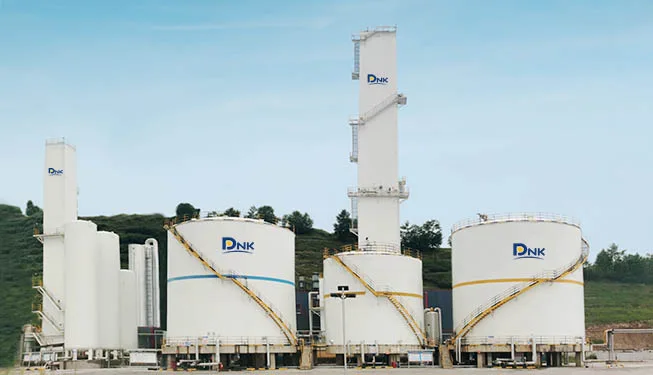
A delivered VPSA oxygen plant arrives as engineered blocks: adsorber trains with radial-flow distributors, blower and vacuum skid, feed air treatment, product buffer, analyzer house and the control room console. Field work is bolting, piping and cable trays - our supervision team handles the loop checks and the sieve settling campaign.
Purity on day one should land inside ±0.5 points of contract; if it drifts, the analyzer history tells you whether it was a valve seat or a sieve bed, because the plant logs cycle-level data by design. Owners run these plants with two or three operators per shift, and the remote diagnostics provision lets our engineers see the same curves you see.
Spares at this scale are cheap insurance: valve seals, blower wear kits and a sieve top-up allowance ship with the plant. A plant that keeps its interlocks honest and its feed air clean runs a decade between major campaigns - that is on our side of the table to guarantee in the commissioning documentation, not just in the brochure.
Buying A VPSA Plant: The Specification Traps
Three line items on a VPSA quotation are where sellers quietly save their margin and hand you their problem:
- Adsorber free space and packing density. Zeolite settles; a loosely packed bed fluidizes, grinds itself to dust, and bleeds purity inside a year. Insist on the packing method and the settling-compensation design in the specification, not just the sieve brand.
- Blower duty point versus your altitude. Radial blowers are selected against site pressure, and a machine bought for sea level loses flow and energy margin at 1,500 m. Give the seller your elevation before the selection is made, not during commissioning.
- Purity guarantee conditions. Purity at 100% load and 25 °C ambient is one number; purity at turndown in monsoon humidity is another. A real guarantee is a curve over your operating envelope - demand one, and the honest sellers become obvious immediately.
Our VPSA packages name all three in the proposal because we would rather defend the design than defend an alibi. That is also why our reference list runs on commissioning dates from 2008 - plants that had to survive real summers are worth more than a specification that looks tidy on paper.
Related Equipment
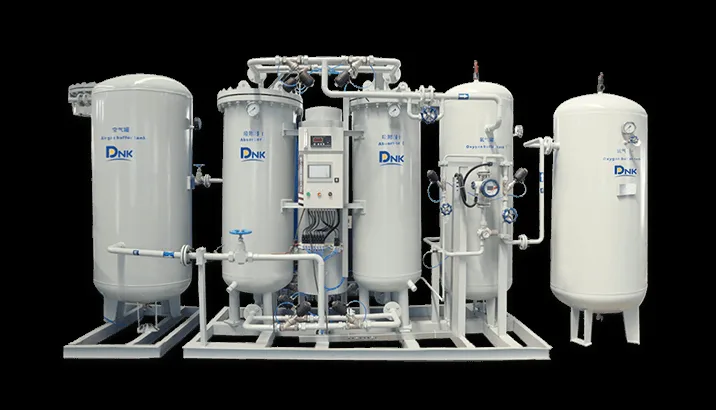
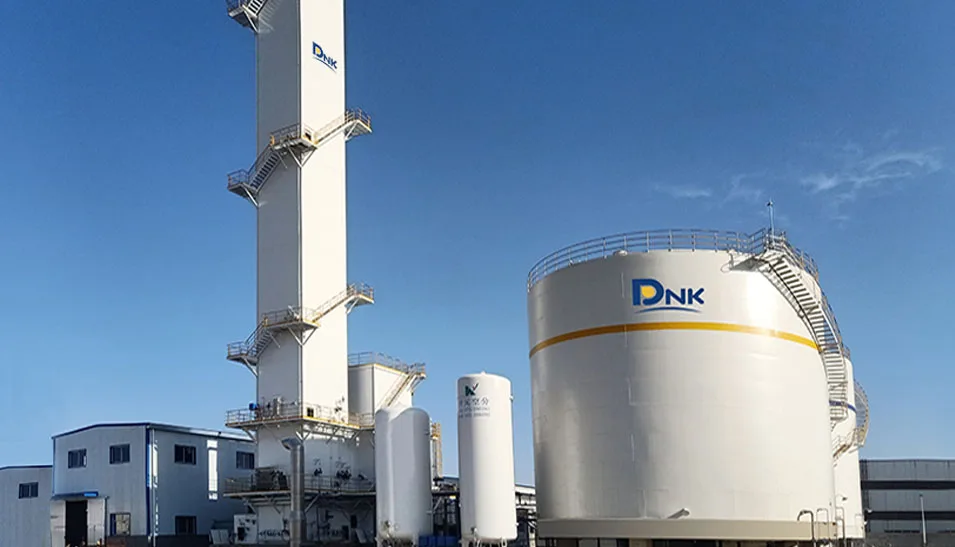
Reciprocating Compressor
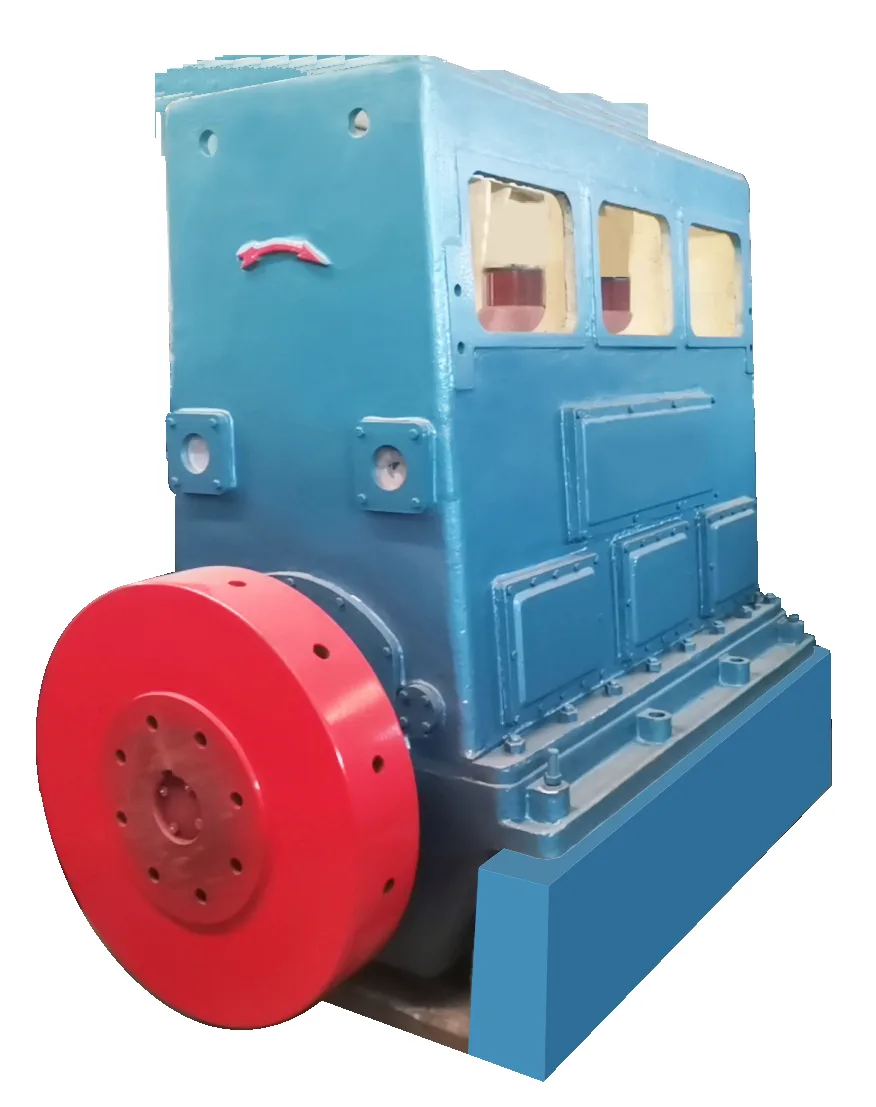
When the gas has to be compressed, and the gas is oxygen or nitrogen at process pressure, the machine is a reciprocating compressor
Learn more →Get a Quote From the Factory
Tell us your flow, purity and pressure - an engineer replies within 24 hours.
Send Your Requirement
Flow, purity, pressure and application - four numbers are enough to start.