Welded Insulated Cylinders
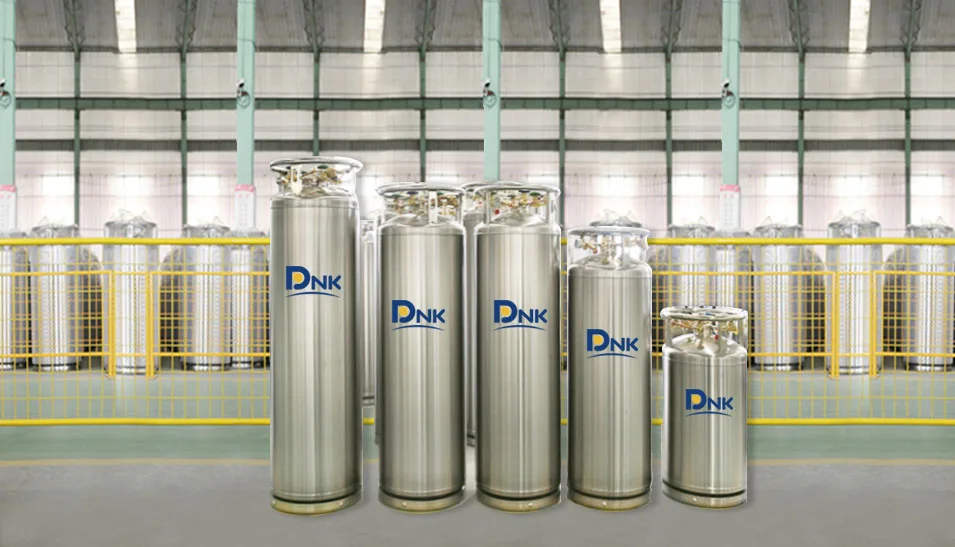
The pickup-truck-sized thermos that turned micro-bulk into an industry
Learn more →No weld. No seam. One punch of steel billet, drawn and spun into a pressure vessel rated 15 MPa working, 22.5 MPa proof. The oldest product in the gas industry, made to modern standards in our own shop.
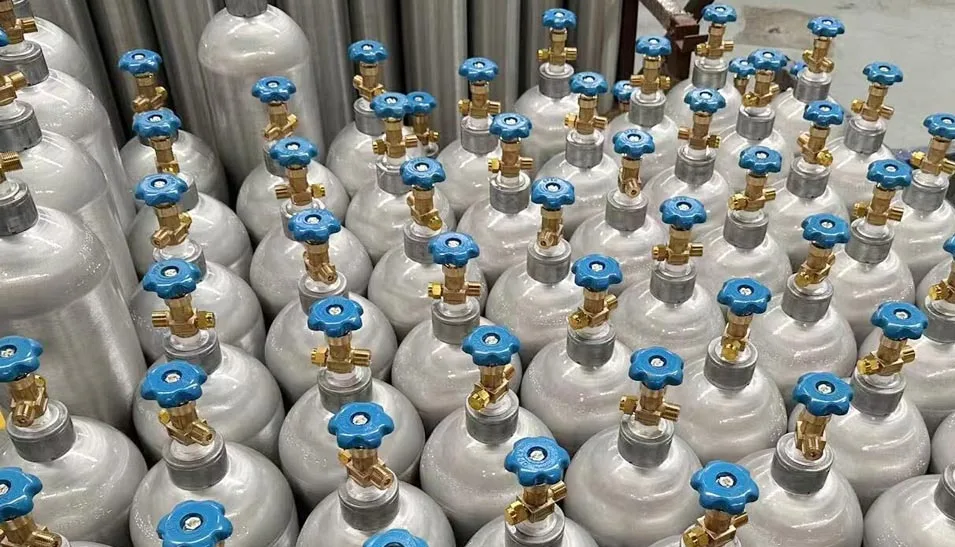
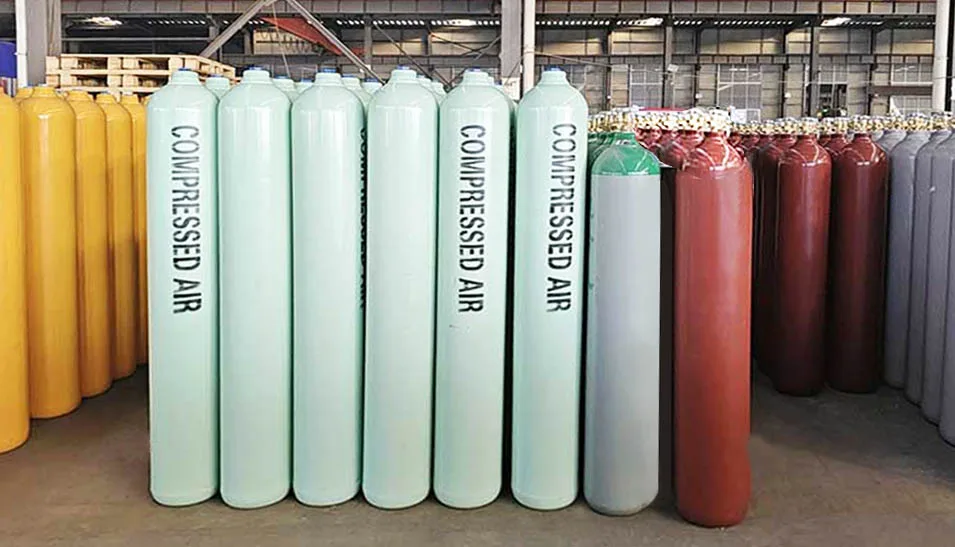
A welded cylinder is a rolled sheet with a longitudinal and a circumferential seam. Under thousands of fill cycles, those seams are where fatigue concentrates. Seamless construction starts from a solid steel billet - punched, drawn, or made from seamless pipe with a hot-spun closed bottom - so the metal grain runs continuous around the pressure path. No seam means no weakest ring, and a fill-cycle life the welded ones can't honestly quote.
Our steel starts as killed steel from electric-arc or converter heats: high-quality carbon steel, manganese or chromium-molybdenum alloy grades such as 37Mn. Chemistry is checked per heat, hardness and burst samples per batch; every cylinder gets hydrostatic or eddy-current proofing to 22.5 MPa before it sees a paint shop.
| Parameter | Range / Detail |
|---|---|
| Series | WMⅡ 219 line |
| Water volume | 19 – 42 L |
| Working pressure | 15 MPa (hydrostatic test 22.5 MPa) |
| Material | 37Mn and equivalent quality carbon / manganese / chrome-moly steels |
| Process | Hot seamless extrusion, normalized where required |
| Services | O₂, N₂, Ar, CO₂, mixed and specialty gas service |
| Finish | Shot-blast, color-coded per service, stamped marks |
| Valve ready | Thread patterns to ISO / national standards per destination market |
| Inspection | Batch hydrostatic and flaw detection records |
| Warranty | 12 months from delivery |
The 219 mm diameter family carries the industrial middle: oxygen, nitrogen, argon, hydrogen service, CO₂, and LPG-class duties, shipped bare or with valve, cap, and the fill hardware your market specifies. The 19-liter shortie fits a lab bench and a rooftop; the 42-liter tall does warehouse forklift fleets. Pressure class 15 MPa standard; alloy variants extend duty where your gas demands it.
Billet to cylinder is a forming story: heating, punching, deep-drawing through successive cups, body spinning, bottom closing, then the boring half that decides safety - heat treatment to spec hardness, wall-thickness mapping by ultrasound sampling, proof-pressure and cycle testing against the standard your certificate follows. This is the process our factory has run for decades; nearly 300 industrial plants we built don't ship without somebody buying the cylinders too.
Match three things at order and nobody argues later: the gas (chemistry decides material and valve trim), the fill pressure (15 MPa working, 22.5 proof here; other classes on request), and the standard your jurisdiction registers (we produce to the spec your market stamps). Oxygen service arrives degreased and blanked; hydrocarbon service never becomes oxygen service without a documented conversion.
Acetylene needs porous mass filler and special alloys - a different product, honestly outside this series. Sour gas (H₂S) needs material selection beyond 37Mn. Tell us the gas; if this family isn't right, we'll say so instead of overselling.
Follow your jurisdiction's periodic requalification (commonly 3-5 years for industrial gas cylinders). The vessels' design margins are generous; the retest regime protects valves, neck threads and corrosion state, which is what actually fails in field service.
Yes - DISS/CGA-style connections for the American market, standard threaded valves for Asia/Europe markets, protective caps and collars, customer paint and numbering. Order the package, not just the shell, and the certificates match the build.
A 15 MPa cylinder is a small pressure bomb by design, and the only thing between that energy and the workshop floor is the metallurgy. Welded-seam cylinders exist because they are cheap; seamless cylinders exist because a deep-drawn or extruded body has no longitudinal seam to reject at the worst moment. Our WMⅡ 219 line is extruded hot from quality round billet - 37Mn manganese steel and equivalents - and the entire safety case rests on three habits we can document:
The shoulder geometry, neck thread pattern and base dished detail all follow from the service code and the destination market; we thread to ISO and national standards so your valve stock fits without adapters, and stamp per the marking regime your jurisdiction enforces.
The 19-42 L band covers the standard industrial ladder, and choosing the wrong rung costs labor more than gas:
Color coding, shoulder paint and stamping follow your market's service convention - oxygen, nitrogen, argon, CO₂ and mixed service each get the right pattern at the factory instead of paint at the depot. For filling-station and gas-company customers we quote palletized bulk quantities with FOB and CIF terms; for end plants, cylinder packs ship with the purchase order they service.
A well-kept seamless cylinder is a fifteen-to-twenty-year asset - if three ownership habits hold, and we will tell you exactly what they are:
Twelve-month warranty on manufacture; beyond that, the cylinder answers to your re-test authority and the handling discipline of your site. Send your market and service list and we will quote the correct thread, stamping and color package in one line item - no surprises at your customs broker.
Cylinder purchasing is a relationship business for a simple reason: a re-test authority that accepts your first batch's records will accept your tenth, and a marking pattern your filling station already scans at the gate should never change between consignments. Owners standardize on one factory, one stamp pattern and one thread standard, and the paperwork friction of cylinder trade collapses to a reorder email. Our export desk keeps each buyer's marking die file, color standard and thread specification on record precisely so that year three ships identical to year one - same stamps, same paint, same documentation set, batch after batch.
The pickup-truck-sized thermos that turned micro-bulk into an industry
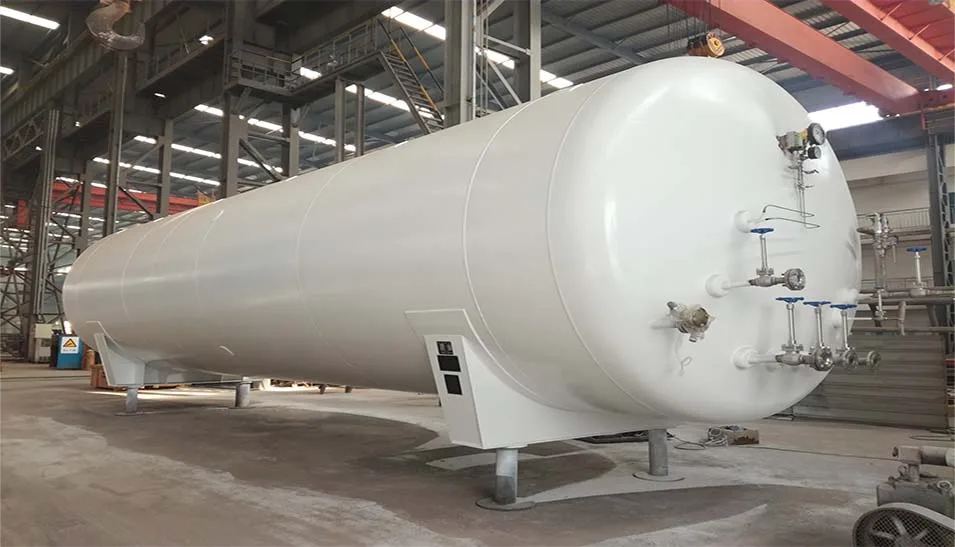
Learn more →A thermos the size of a house, holding liquid air at -196 °C and losing a fraction of a percent a day
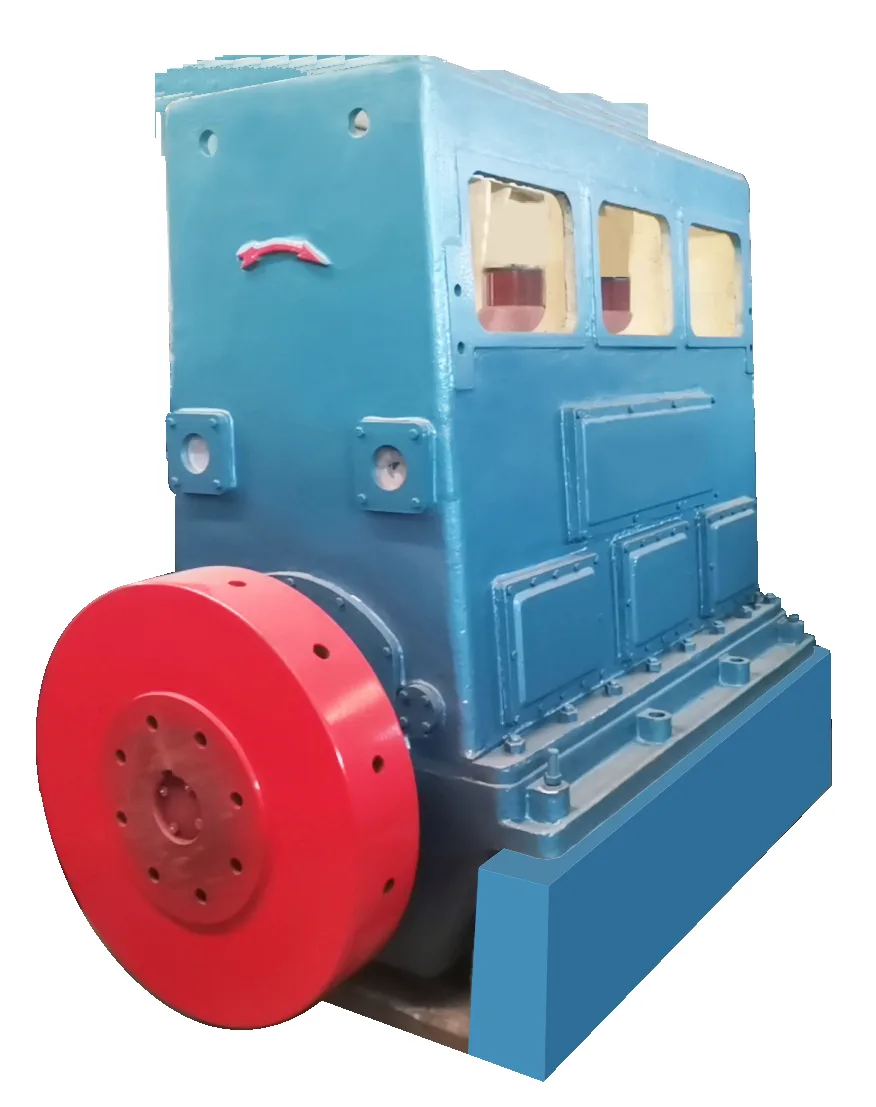
Learn more →When the gas has to be compressed, and the gas is oxygen or nitrogen at process pressure, the machine is a reciprocating compressor
Learn more →Tell us your flow, purity and pressure - an engineer replies within 24 hours.
Flow, purity, pressure and application - four numbers are enough to start.