Gaseous ASU
The two processes that decide whether a gaseous ASU is cheap to build or cheap to run
Learn more →When 99.999% nitrogen from a PSA machine isn't the spec - when the analyzer on your line wants to see single-digit ppm oxygen, and inert noble-gas impurities under 25 ppm - you're in KDN territory. Cryogenic nitrogen trains engineered around impurity, not just flow.
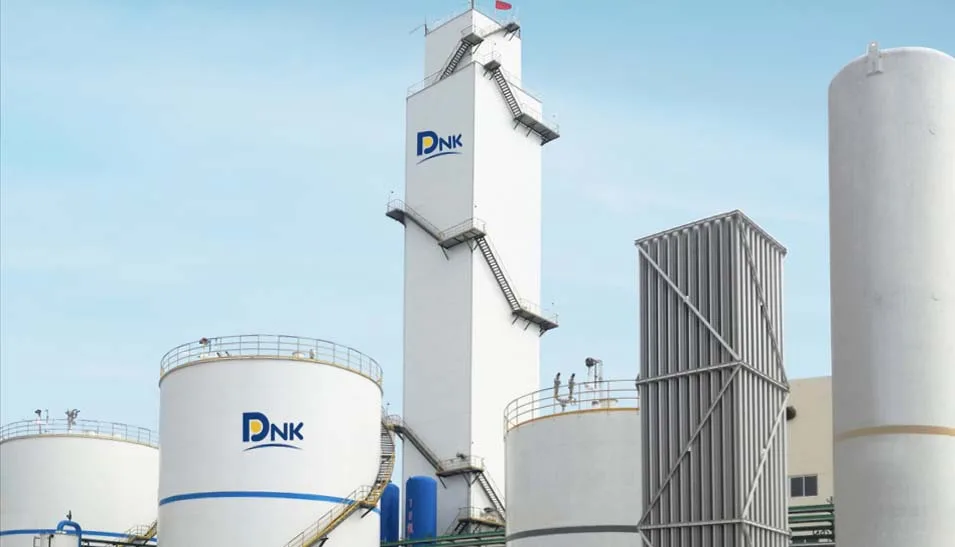
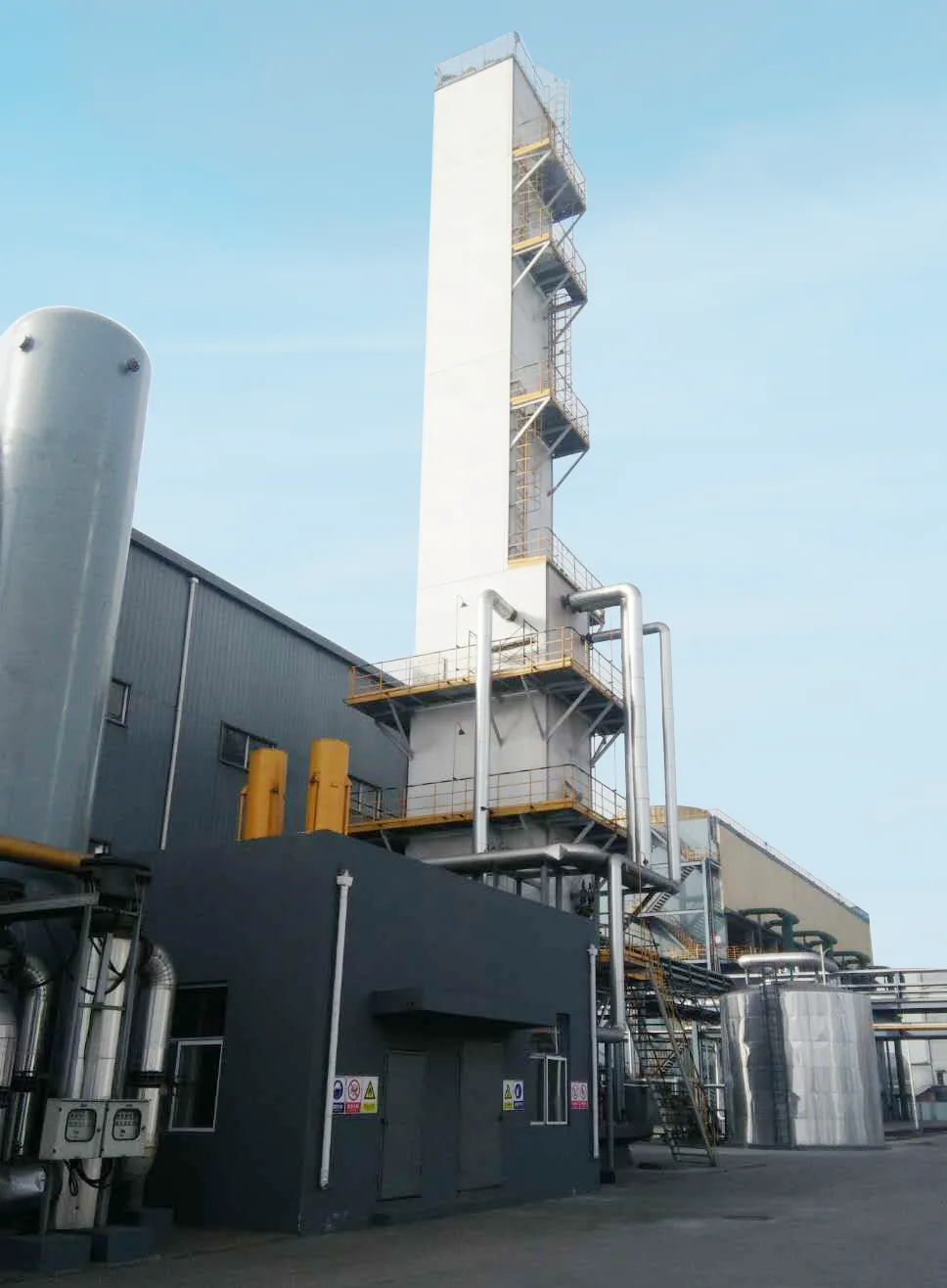
A PSA machine makes 99.9995% nitrogen by adsorbing oxygen out of a fast cycle. A cryogenic KDN train makes ≤2 ppm by collapsing air to liquid and walking the distillation column's temperature profile until oxygen is physically held back below trace levels. Different physics, different guarantees, different consequences when someone overspecs - or underspecs - the duty.
The spec this family serves is written in ppm: ≤2 ppm oxygen in the product, helium and neon (the noble gases that no chemical trick removes, only cryogenic fractionation) held at ≤25 ppm. Electronics-grade and specialty-gas buyers care about the HeNe number specifically because nobles are permanent impurities - diluents forever in the gas. Once the certificate says ≤25 ppm HeNe, your downstream process can stop worrying.
| Model | Duty | N₂ capacity | N₂ pressure | Optional O₂ | Spec |
|---|---|---|---|---|---|
| KDN-3000 | Chemical | 3,000 Nm³/h (150 TPD) | 0.7 MPa | 350 Nm³/h (12 TPD) 99.6% | ≤2 ppm O₂; HeNe ≤25 ppm |
| KDN-6000 | Chemical | 6,000 Nm³/h (240 TPD) | 0.25 MPa | — | ≤2 ppm O₂ |
| KDN-11000 | Chemical | 11,000 Nm³/h (330 TPD) | 0.25 MPa | — | ≤2 ppm O₂ |
| KDN-11500 | Chemical | 11,500 Nm³/h (345 TPD) | 0.7 MPa | 300 Nm³/h (10 TPD) | ≤2 ppm O₂ |
| KDN-20000 | Chemical | 20,000 Nm³/h (600 TPD) | 0.26 MPa | opt. gas 500 Nm³/h (15 TPD) | ≤2 ppm O₂ |
| KDN-50000 | Specialty | 50,000 Nm³/h class | Custom | Custom | ≤2 ppm O₂ |
Polysilicon and electronics - dopant chemistry doesn't tolerate oxygen at any ppm you can name. Chemical fibers and caprolactam - polymerization catalysts poisoned by trace O₂. Oil and gas tank farms - blanketing that must also pass HeNe limits for downstream reuse. Metal powders and Rare-earth reduction - furnaces where oxygen picks the metal right back out. And specialty gas blenders who buy the KDN stream as the base of everything else they bottle.
Distillation that strips nitrogen of oxygen *concentrates* oxygen somewhere. Sized as a coproduct, that 99.6% oxygen stream - 12 tons a day on a KDN-3000, more on larger trains - is either sold, used on site, or carefully vented. We simulate the trade-off with you because the O₂ tap changes column internals; bolt it on later and it costs multiples. Decide at design review, not at commissioning.
The purity numbers above mean nothing without the factory record that makes them repeatable: nearly 300 ASU projects, high-efficiency packing in our own cold-box design, A1/A2 license weld radiography, DCS sequences with analyzer interlocks tested in factory simulation. Purity at design point is the easy half of this business; purity in month thirty is the engineering. Our plants get audited on the second half, and the reference list keeps answering.
Because no amount of adsorption removes helium and neon, and because oxygen below a handful of ppm makes adsorption cycles absurdly wasteful at scale. HeNe is a cryogenic problem by physics. If your spec omits nobles *and* sits at 99.999%, PSA stays cheaper - tell us your real certificate limits.
Within cycle design scope, yes - side-draw liquid nitrogen and LOX provisions can be simulated into the train. It changes column internals and refrigeration, so the liquid question belongs in the intake form, like the oxygen coproduct question above.
Paramagnetic/zirconia oxygen analyzers with ppm-range verification instruments at the battery limit, plus humidity and hydrocarbon checks upstream of the cold box. We commission to the spec with your instruments alongside ours, and document the purity curves over the first weeks of running.
Compressor maps, expander behavior, and pre-cooler duty all move with air density; a 1,500 m site needs real recalibration, not a derating sticker. The simulation and the guarantee move with it. Sites at altitude - Turkey's plateaus, the Andes - are part of the reference base.
A KYPN PSA machine can honest-to-goodness deliver 99.9995% nitrogen - five nines, decimal point and all. So why do chemical fiber lines, polysilicon reactors and electronic-grade processes keep buying cryogenic plants and paying for a distillation column to chase the last two parts per million?
Three reasons, and each one is a chemistry story, not a marketing story. First, oxygen at ppm level behaves differently than at percent level. PSA economics stop at single-digit ppm oxygen; below roughly 5 ppm the adsorption selectivity game gets brutal and the polish beds get expensive and fragile. A cryogenic column simply does not have that problem - the distillation split drives oxygen down to the 2 ppm contract level and holds it there, not as a race against sieve saturation. Second, helium and neon do not care about your sieve. Inert impurities pass straight through any PSA machine. Our KDN deep-purification train removes them to ≤25 ppm combined; if your catalyst sees He/Ne and dies, only the cryogenic route saves you. Third, steady beats spectacular. Chemical plants run three shifts for years; a cryogenic plant's ppm spec on day 400 looks like its spec on day 40, while a PSA plant's spec tracks its sieve health, valve leak-down and summer ambient.
Everything that defines this product happens downstream of the main cold box:
A KDN ultra-nitrogen plant is quoted from five inputs: flow in Nm³/h, oxygen ceiling in ppm, He/Ne ceiling if your process needs one, delivery pressure in the 0.25-0.7 MPa band, and the site's climate and grid. Chemical fiber owners usually also want a liquid nitrogen provision for peak events; that is a tank-and-vaporizer line item and we price it into the same plot plan.
The decision arithmetic is worth putting on paper. If your process can genuinely tolerate 10 ppm and your electricity is cheap, a PSA with polish may be the honest answer and we will say so. If a single oxygen excursion costs a reactor campaign - and in polysilicon one excursion costs a campaign - then the cryogenic plant's flatline ppm behavior is the product, and the capital premium is the insurance premium. We have sold both outcomes to different plants in the same industry, because the honest answer depends on your cost-of-failure, not our preference.
Send the five inputs; the study comes back with flow diagram, energy estimate and the honest technology verdict. That verdict has talked owners out of more overspec plants than it has sold - and built the reputation that keeps them sending us the next one.
The two processes that decide whether a gaseous ASU is cheap to build or cheap to run
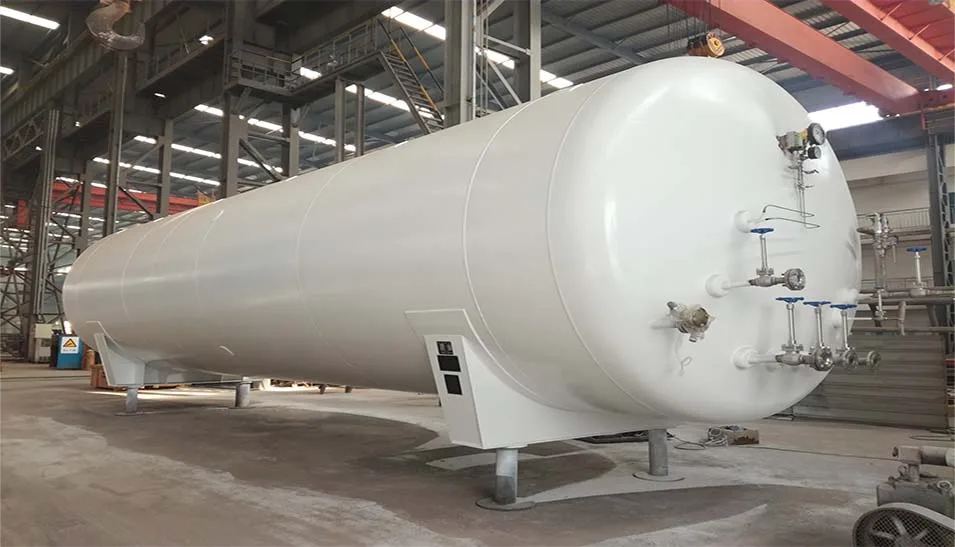
Learn more →A thermos the size of a house, holding liquid air at -196 °C and losing a fraction of a percent a day
Learn more →Tell us your flow, purity and pressure - an engineer replies within 24 hours.
Flow, purity, pressure and application - four numbers are enough to start.