Cryogenic Storage Tank
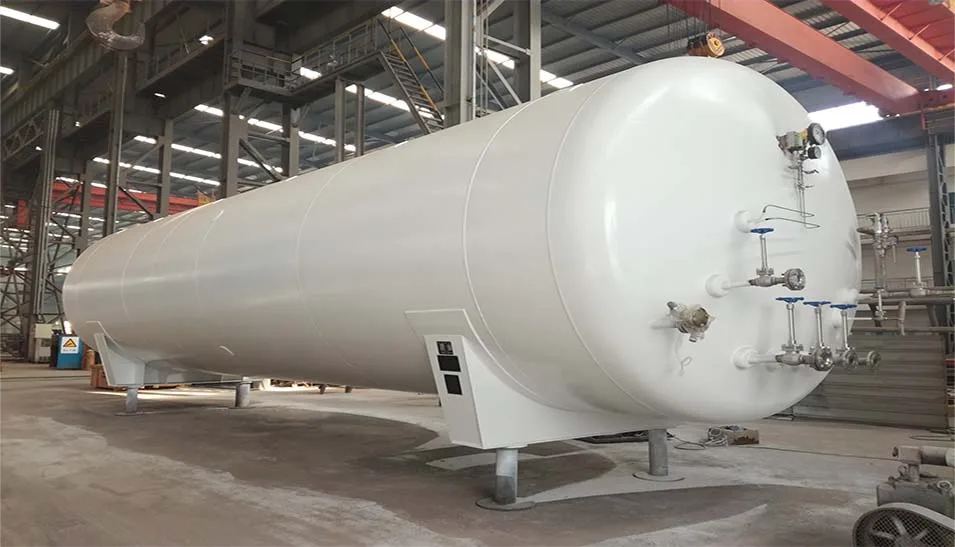
A thermos the size of a house, holding liquid air at -196 °C and losing a fraction of a percent a day
Learn more →Plants that pour product into tankers instead of pipelines. Our full-liquid ASU line makes liquid oxygen, liquid nitrogen and liquid argon from 100 TPD merchant skids up to multi-thousand-ton trains - the equipment line behind dozens of independent gas companies.
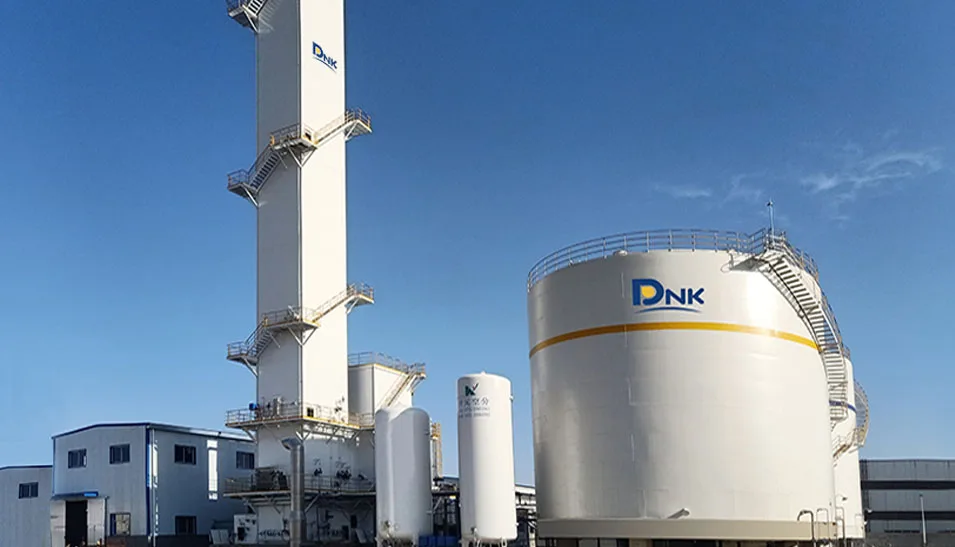
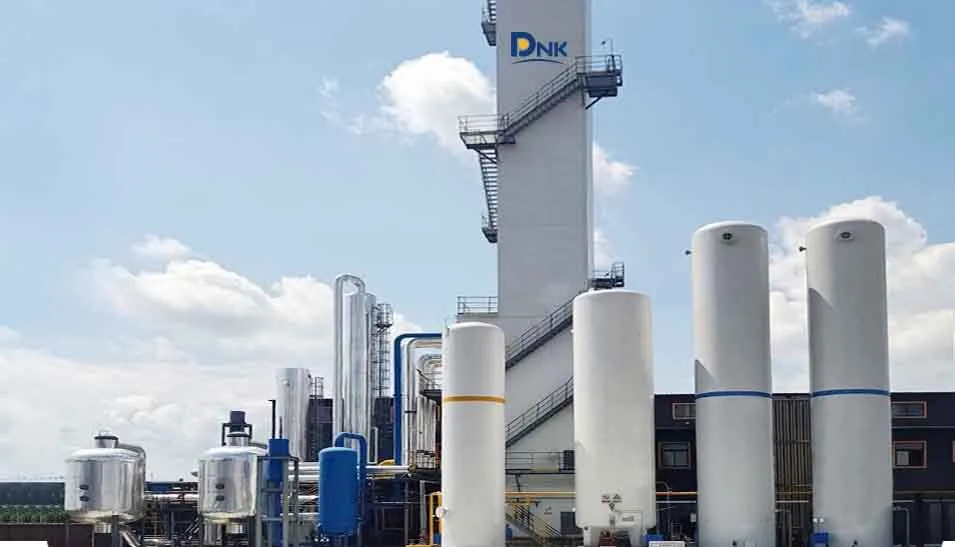
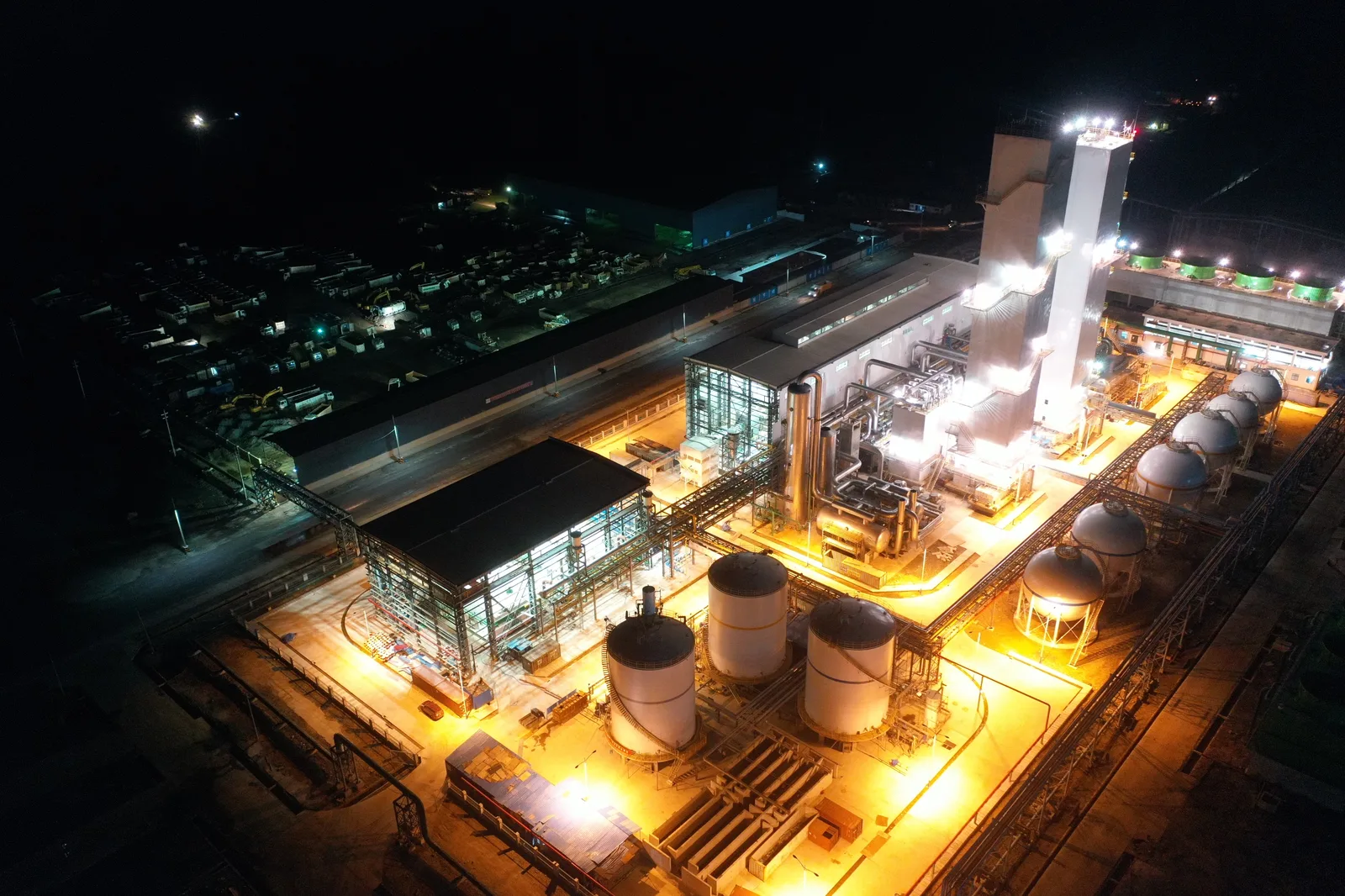
A conventional gaseous ASU pushes product out a pipe. A full-liquid ASU condenses its entire output - or all but a whisper of gas for its own needs - and hands it to the world as pumpable, haulable liquid. No pipeline customer, no offtake handshake needed: the products go into vacuum-insulated tankers and travel to whoever needs them that week. For a merchant gas business, that flexibility is the difference between a supplier and a hostage of one pipeline neighbor.
Internally, the difference is refrigeration architecture. Without warm product gas returning to exchange cold, the plant generates its own refrigeration in cycles - and which cycle you pick drives efficiency, cost and how the plant behaves on a Tuesday at 2 a.m. during demand turndown.
We pick the cycle against your tonnage, electricity price and product mix - a 300 TPD plant on a premium tariff in a hot climate is a different animal from a 1,000 TPD plant on cheap power at temperate latitude. All four cycle designs come from the same in-house process team, simulated per site.
| Condition | Liquid O₂ | Liquid N₂ | Notes |
|---|---|---|---|
| Design | 3,000 Nm³/h (100 TPD); opt. gas 1,500 (50 TPD) | 4,000 Nm³/h (120 TPD); opt. gas 6,000 (180 TPD) | 99.6% O₂ / ≤10 ppm O₂ in N₂ |
| Condition 1 | 3,300 Nm³/h (110 TPD) | 3,700 (110 TPD); gas 5,500 (165 TPD) | Balanced split |
| Condition 2 | 2,400 (80 TPD); gas 1,500 (50 TPD) | 4,800 (145 TPD); gas 4,500 (135 TPD) | Liquid-weighted week / gas-heavy mode |
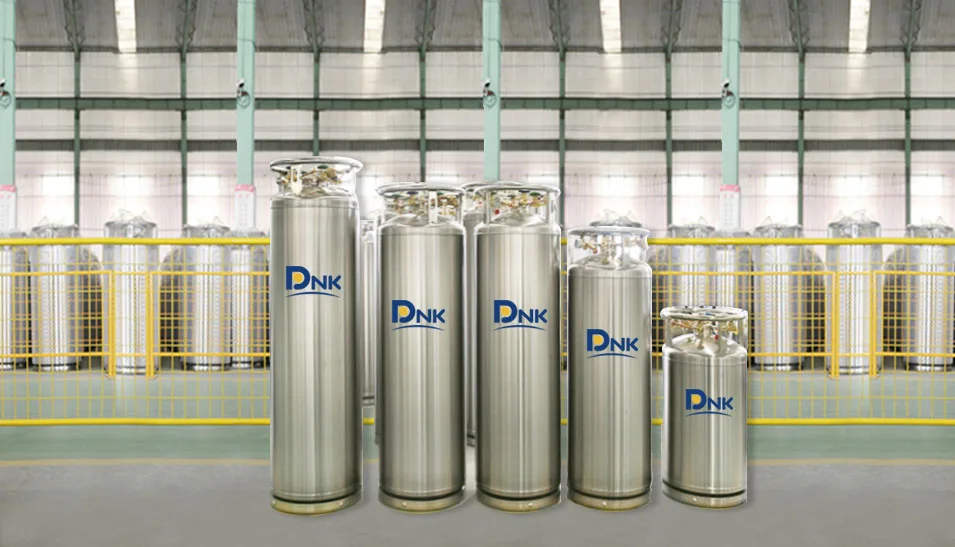
Argon tie-ins, product pressure packages and storage/fill stations are all designed against your market's pull pattern. The YDS dewar fleet, CFL tank farm and welded-insulated cylinder pack at the battery limit come from the same factory, which keeps fill headers, venting and custody transfer simple.
Ask the question any investor asks: on-site production cost per ton versus wholesale liquid price in your territory, minus freight. In most developing gas markets the spread funds the plant in three to six years and then prints margin behind it. Our gas-investment desk goes further for qualified partners - see the gas plant investment page - because we'd rather co-invest in a plant we built than compete with someone else's cheap unit across your fence.
Cold boxes as large pre-piped blocks welded under A1/A2 pressure-vessel licenses and pressure-tested before shipping. Multi-layer main exchangers from our own process design. DCS sequences with proven startup paths - first liquid on a defined day of commissioning, not "whenever." The reference count behind these statements is nearly 300 delivered ASU projects across 20+ countries, including full-liquid trains in Turkey and Indonesia running merchant duties.
Rough guidance: below ~100 TPD combined liquid, a small-scale ASU with liquid mode is the honest answer. Above that, the dedicated cycle plants get more efficient per ton. The crossover moves with your electricity price, and we'll show the cost curves rather than a rule of thumb.
Enough to decouple production from the truck schedule and survive your worst demand week. Typical merchant starts pair 2–4 CFL tanks per product plus spare dewar-filling capacity. We run your sales forecast against withdrawal evaporation losses (0.23–0.4%/day on our tanks) to size it.
Within design conditions, yes - the configuration table above is exactly that story: a liquid-weighted week and a gas-weighted week from one unit. Full mode-change beyond design conditions is a re-simulation conversation, and we'd rather have it in week one than year two.
Cool-down is staged: purge, dry, pull vacuum on the cold box, load the expander, walk temperature down over days, then first liquid. Expect weeks, not hours, for the cold path - rushed cool-downs cause the water ingress stories this industry repeats. Our supervision team runs the sequence and trains your operators alongside it.
Frequently yes. Argon is 0.93% of air and often sells for more per ton than oxygen and nitrogen combined. The crude + pure argon column pair on a liquid train adds modestly to capital and can move plant payback by a year. It comes down to whether your market takes liquid argon at your freight radius - the sales question precedes the engineering one.
A full-liquid ASU is the machine you run when your product leaves the site in tanks, not in pipelines. Three buyer profiles fill most of our order book in this family:
Full-liquid plants differ from gaseous plants in one fundamental way: everything that can condense, condenses. No product gas leaves the cold box warm; you pump and vaporize liquids downstream instead. That inverts the energy economics and makes the compression cycle the central decision:
We pick the cycle from your capacity, tariff and operating maturity - not from what is easiest to build. A first-time owner gets the single cycle even when the double cycle looks prettier on the energy estimate, because a plant your team can run beats a plant that needs our engineer on site forever.
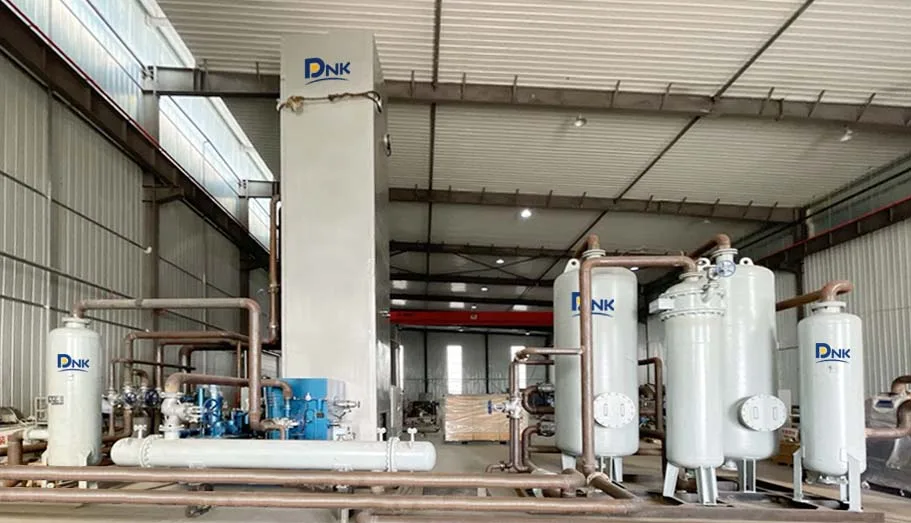
A KDONAr-Y plant ships as modules: air compression, purification house, cold box, expansion skid, liquid storage (from our own CFL tank line) and the filling station. Site work is foundations, utility ties and module setting. Cold commissioning follows a written sequence - dry, cool, accumulate liquid, adjust, then the performance run against contract curves for output, purity and specific energy.
Plan realistically on schedule: engineering to first liquid for a 3,000-4,000 class plant runs in months, not years, when your civil works keep pace with our module deliveries. Owners who involve us at site-selection stage consistently hit their dates; owners who order the plant then design the site around it consistently do not. Your twelve-month liquid revenue starts on the day the first tanker loads - everything in the sequence above is scheduled backwards from that truck.
A thermos the size of a house, holding liquid air at -196 °C and losing a fraction of a percent a day
Learn more →The pickup-truck-sized thermos that turned micro-bulk into an industry
Learn more →Tell us your flow, purity and pressure - an engineer replies within 24 hours.
Flow, purity, pressure and application - four numbers are enough to start.